Early monsoon rains in Afghanistan; UN warns of flood risks
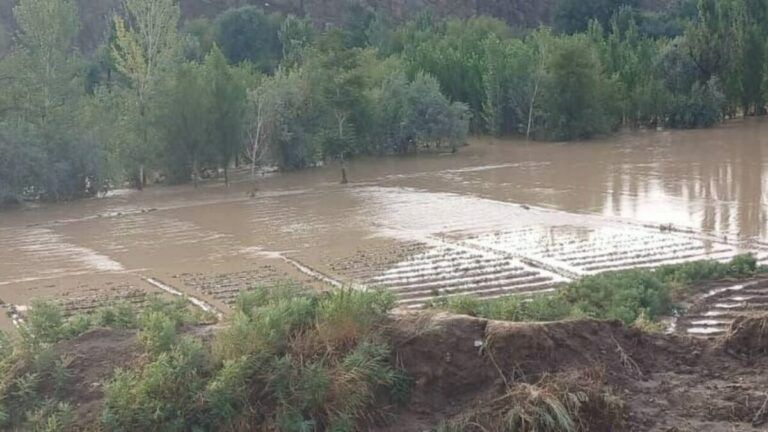
DID Press: UN Office for the Coordination of Humanitarian Affairs (OCHA) announced monsoon rains in Afghanistan have started earlier than usual this year, increasing the risk of flooding in various parts of the country.
A report that reviewed the drought situation until the end of Jawza 1404 (July 14, 2015) said that reduced rainfall, increased air temperatures, a sharp drop in soil moisture, and reduced agricultural yields, especially rain-fed wheat, were among the recent climate consequences in Afghanistan.
The level of water from melting snow has also decreased compared to previous years, a matter that has been described as worrying, especially in high-altitude areas.
The report adds that although the recent heavy rainfall can strengthen groundwater resources in some areas, due to its intensity and suddenness, the likelihood of flooding in areas that have suffered from long-term droughts and lack appropriate infrastructure is very high.
OCHA warned that there is a possibility of a further decrease in rainfall and continued extreme heat as the summer season continues, a situation that could pose serious challenges to livestock farmers in securing fodder.
In this report, Badghis, Ghor, Faryab, Sar-e-Pul, Samangan, Baghlan, Takhar, Badakhshan, Daikundi, Bamyan, Parwan and Kabul provinces are named as areas severely affected by drought. Only parts of western Herat province have shown signs of returning to normal seasonal conditions.
The UN finally emphasized that the continuation of these conditions could have widespread humanitarian and economic consequences which requires urgent action by domestic and international institutions