Severe Health Services Crisis in Afghanistan
DID Press: UNICEF released a statement warning of the dire conditions regarding access to clean water, food, and healthcare services in Afghanistan’s remote areas.
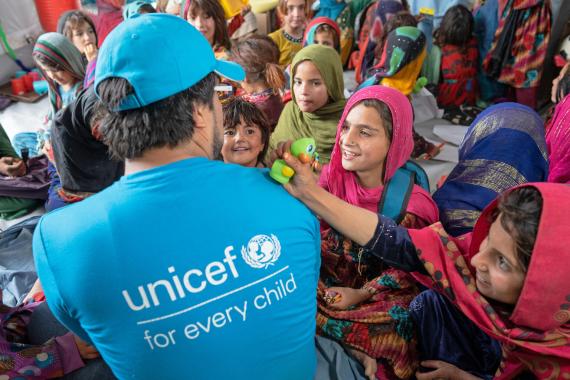
In a statement published on its official website, UNICEF expressed deep concern over the deteriorating access to essential services in hard-to-reach regions of Afghanistan.
The organization reported that families living in these areas—especially in provinces with difficult terrain—are deprived of access to food, safe drinking water, and basic healthcare due to natural disasters like floods and droughts, widespread poverty, and a significant reduction in foreign aid.
The international agency emphasized that children, particularly in rural areas, are at risk of preventable illnesses such as malnutrition and diarrhea, as they lack access to many essential health services.
UNICEF noted that its efforts are focused on protecting children from disease, improving living conditions, and strengthening community resilience. However, budget shortfalls and logistical challenges have prevented the organization from fully meeting these needs.
UNICEF report aligns with findings from the UN, which in January 2025 reported that around 5 million people in Afghanistan were affected by severe floods and heavy avalanches.
Additionally, Afghanistan’s Ministry of Public Health confirmed in January 2025 that more than 70% of rural residents lack access to basic and secondary healthcare services. Out of 400 districts in the country, only 93 have hospitals.
UNICEF called on the international community to help alleviate the crisis by increasing humanitarian aid and investing in healthcare and water infrastructure.
The organization also stressed the need for sustainable programs to strengthen local agriculture and improve access to clean water, noting that 70% of Afghanistan’s population depends on agriculture, which has been severely impacted by recurring droughts.
The warning comes as recent reports from the World Food Programme (WFP) and the Famine Early Warning Systems Network (FEWS NET) have also highlighted acute food insecurity affecting 9 million people and malnutrition in 3.5 million children across Afghanistan.
The crisis has been exacerbated by reduced international aid and restrictions imposed by the Taliban’s interim government on humanitarian operations, especially those involving women.