Jolani’s Suit, Tie won’t Work, Minority Autonomy Guarantees Syria’s Survival
DID Press: In an article titled “How to Stabilize Syria’s Transition,” National Interests argues that the Syrian interim government must grant more autonomy to minority groups if it wants to survive and succeed.
The publication notes that post-conflict transitions are notoriously difficult for societies that have experienced a long-running civil war—a reality Syria and Syrians are unfortunately learning firsthand today. Following days of sectarian fighting that threw the country’s south into chaos, many are once again questioning the capabilities and interests of the new interim authorities in Damascus.
Concerns surrounding the interim authorities are far from promising for the future, suggesting that reasonable pressure from world leaders and significant policy adjustments on the part of the Syrian government are necessary to right the ship.
Indeed, that the violence ended unfortunately marks the only positive news from these developments. With official figures still being verified, it appears that hundreds likely died, including women, children, and the elderly. Major factions on each side likely committed human rights violations, with some fighters posting their acts online. No party can claim the moral high ground.
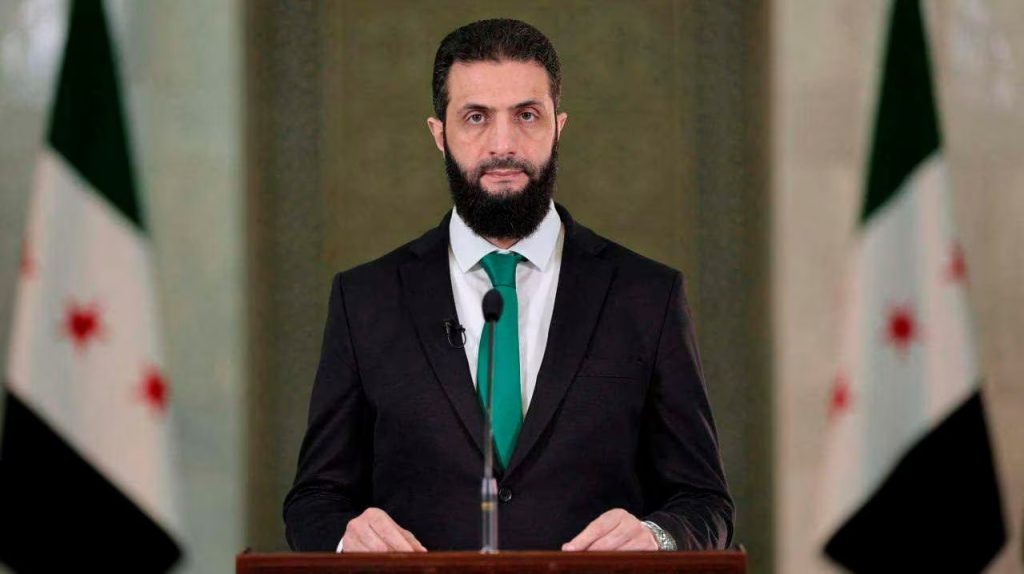
Referring to the public image of Ahmad al-Sharra, better known as Al-Jolani, National Interests wrote that a suit, a tie, and a few nice words are not enough to immediately build trust with Syria’s mosaic of ethnic and religious groups. Al-Jolani will have to show good faith rather than distrust in these groups. He cannot repeat the Idlib model—namely, the application of massive force to induce capitulation—on a national scale.
Al-Jolani should work with Syria’s leading ethnic minorities by allowing them control over local security dynamics. His government should rein in Sunni Arab factions, including and especially those now enmeshed in the armed forces. This approach will take care and skill, as there is a reason al-Jolani has been unable to fully commit to transitional justice efforts that would implicate these factions.
On the country’s broader challenges, National Interests argues that Al-Jolani cannot check radical groups’ power or hold them accountable for their brutality today without risking an uprising. The interim government lacks the manpower and legitimacy.
Therefore, without structural reform, greater public trust, and a balance among Syria’s ethnic and religious communities, political stability during the transition will remain out of reach.
By Alexander Langlois — The National Interest