Ashraf Ghani’s Departure: End of Republic, Beginning of Multi-Generational Crises in Afghanistan
DID Press: Today (August 15) marks one of the most bitter days in Afghanistan’s modern political history: the day former President Ashraf Ghani Ahmadzai fled Kabul—a development that not only signaled the end of the republic, but also unleashed far-reaching political, social, security, and regional consequences. This event symbolized the collapse of a political system that had been built over two decades with extensive international support and enormous financial and human costs.
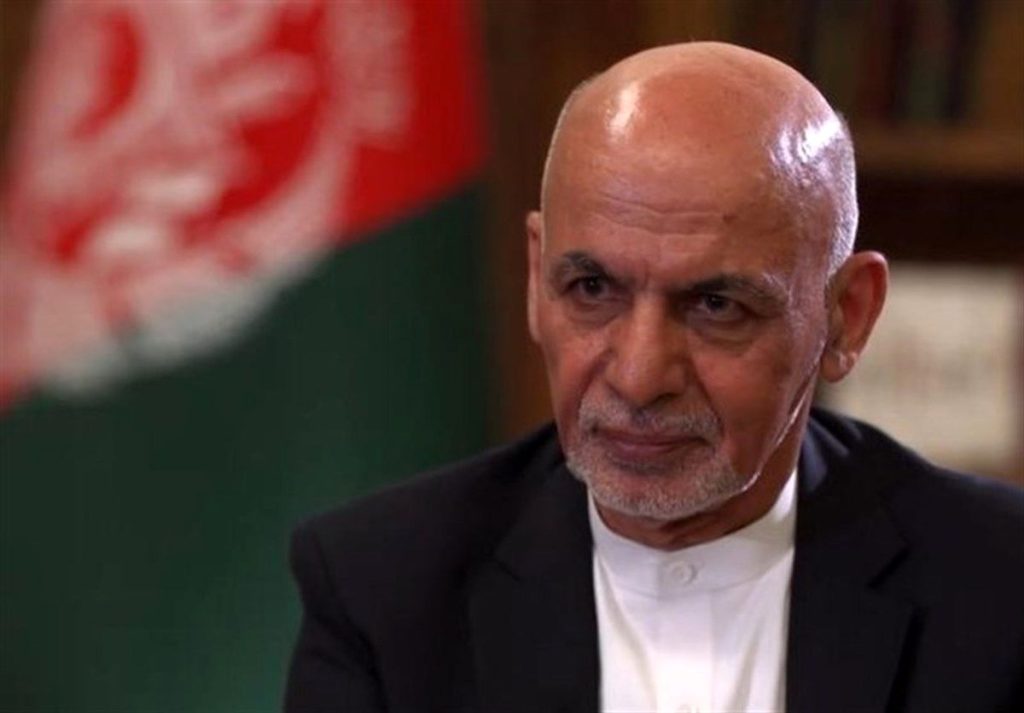
This commentary briefly examines the dimensions and consequences of Ghani’s departure and the collapse of the republican system.
- The Collapse of the Republic
Ashraf Ghani left Kabul as Taliban forces reached the gates of the capital. Public expectation was that he would either stand with the army and the people to defend the state, or at least transfer power in a managed manner through a political agreement. Instead, his sudden departure—without informing senior government officials—shattered the political structure. In the collective memory of Afghan citizens and the country’s political history, this flight was recorded as an act of “political betrayal,” revealing that the Afghan state was built less on national will than on external dependence and personality-based leadership. - Deep Distrust Between the People and Political Leaders
One of the most significant consequences of Ghani’s escape was the complete breakdown of public trust in political leaders. Despite his constant emphasis on “state-building” and “structural reforms,” Ghani abandoned the country at its most critical moment. This convinced the public that Afghan leaders are more concerned with personal survival and self-interest than with national responsibility and the public good. This distrust has had a direct impact on Afghanistan’s political future, leaving generations skeptical of their leaders. - The Weakening of Security Institutions and the Collapse of the Army
Afghanistan’s army and security forces, trained and equipped over 20 years with the support of Western powers—chief among them the United States—expected political leadership to stand by them. Ghani’s sudden departure created a command vacuum and a severe morale crisis, putting an end to organized resistance by the security forces. - Regional and International Repercussions
Ghani’s flight affected not only Afghanistan but the region and the world. Afghanistan’s neighbors—especially Pakistan, Iran, China, and Russia—viewed it as the complete collapse of the U.S.-led order in the country. For Washington and its Western allies, the event was a major failure, highlighting that their two decades of investment in Afghanistan had not yielded results. While the U.S. itself—through the Doha peace agreement and the release of thousands of Taliban prisoners from Ghani’s government’s prisons—played a fundamental role in dismantling the 20-year political structure, this defeat fueled doubts about America’s ability to build stable governments elsewhere. - Taliban Government’s Legitimacy Crisis
Although Ghani’s departure cleared the way for the Taliban’s swift seizure of power, it also undermined the legitimacy of their government. Power was not transferred through a political settlement but through a vacuum and state collapse. As a result, many countries remain reluctant to officially recognize the Taliban. It is equally true, however, that the primary reason for the world’s hesitation lies in the Taliban leadership’s past record and current approach to human rights, women’s rights, and civil and political freedoms. - Social and Psychological Impacts
Socially, the president’s flight at the most critical moment in history inflicted deep psychological wounds on the Afghan people. Millions who expected resistance—or at least crisis management—faced the bitter reality that their leader had abandoned them.
This sense of betrayal sparked waves of disillusionment, mass migration, and a profound loss of confidence in the future. In Afghanistan’s historical memory, Ghani’s escape will remain a symbol of “the people’s loneliness and abandonment.”
- Historical Lessons
Ghani’s flight demonstrated that state-building without deep social, ethnic, and cultural roots is doomed to failure. Afghanistan’s experience proved that reliance solely on foreign support cannot ensure the survival of a political system. Political leaders must stand with their people during critical moments, as legitimacy emerges from resistance and national solidarity—not from behind-the-scenes deals or fleeing the country.
Conclusion
Ashraf Ghani Ahmadzai’s departure from Kabul was not merely a personal decision; it was a turning point in Afghanistan’s history, revealing that the republican political system was hollow and incapable of withstanding crisis. His flight destroyed public trust, dismantled the army, paved the way for Taliban control, and triggered wide-ranging geopolitical repercussions at both regional and global levels. Afghanistan entered a new phase after this event—a phase whose effects will likely persist for many years, perhaps generations—casting the country’s future into a fog of uncertainty mixed with despair.
By Mohsen Movahed