Islamabad Regional Meeting on Afghanistan Postponed
DID Press: The Women for Afghanistan organization and the South Asian Strategic Stability Institute (SASSI) announced that the first regional dialogue titled “Towards Unity and Trust”, which was scheduled for August 25–26 in Islamabad, has been postponed until the end of September. According to the organizers, the decision was made to increase the depth and inclusiveness of the discussions.
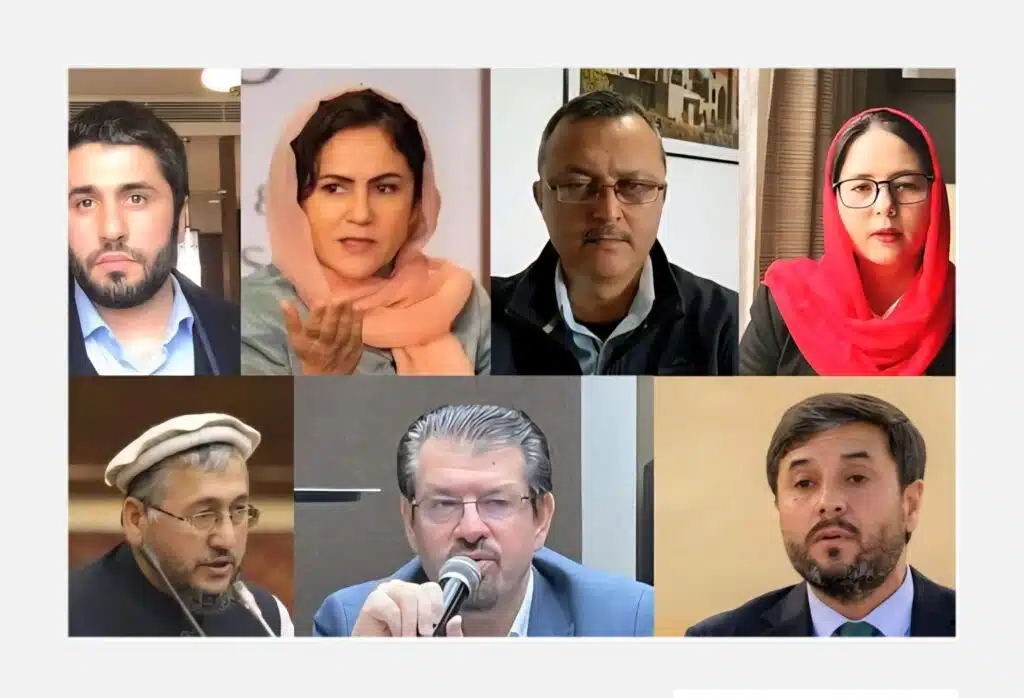
Organizers emphasize that the meeting will focus on Afghanistan people and will be held in cooperation with Pakistan. Its goal is to bring together political and social representatives, women’s rights activists, and media figures to foster mutual understanding, draft common principles for stability and rule of law, and support the formation of a government elected by the people. They see this event as the start of the “Islamabad Process”, which they believe can strengthen trust between Afghanistan people and Pakistanis.
However, the announcement of this meeting has faced backlash significantly. The Taliban caretaker government and its supporters have viewed this initiative as a threat. A senior official from the Taliban’s Foreign Ministry indirectly warned the Pakistani government and the organizers about the consequences of this action. Zalmay Khalilzad, the former U.S. envoy for Afghanistan peace, also deemed it “provocative,” though his critics argue that this stance is intended to exaggerate the importance of the meeting. Conversely, Pakistani human rights activist Afrasiab Khattak condemned the initiative, calling it interference in Afghanistan’s internal affairs.
Some independent analysts believe Pakistan, by hosting the meeting, seeks to influence opponents of the Taliban caretaker government while simultaneously pressuring the group to gain political and strategic concessions.
The Postponement Examined on Three Levels
- Afghanistan’s Internal Context
The meeting was intended to bring together opponents of the Taliban caretaker government and create a platform for dialogue among diverse political and social factions. Naturally, the government sees this as a threat to its legitimacy, as any political initiative outside its control strengthens alternative political spaces. - Pakistan’s Role
Islamabad has long sought to play a key role in Afghanistan’s affairs. Hosting such a meeting allows Pakistan to signal a positive role to the international community while demonstrating to the Taliban government that it has additional leverage. - Regional and International Context
Reactions from figures like Zalmay Khalilzad and Afrasiab Khattak suggest this is not merely a civil society gathering but also reflects geopolitical rivalries in Afghanistan and South Asia. The United States, China, and even regional countries remain sensitive to new political initiatives concerning Afghanistan.
Overall, the postponement not only allows more time for preparations but also shows that any political move related to Afghanistan—whether in the name of civil society or a regional initiative—will not proceed without responses or countermeasures from powerful domestic and international actors. Observers believe the delay stems less from the desire for deeper discussions and more from behind-the-scenes negotiations with the Taliban caretaker government and its regional and international backers for political concessions.