Relocating Muhammad Ali Jinnah Hospital: Systematic Discrimination against West of Kabul?
DID Press: Taliban’s recent decision to relocate Muhammad Ali Jinnah Hospital from Dasht-e-Barchi in western Kabul to “Arzan Qeemat” area in the east has sparked accusations of systematic discrimination in public service distribution. Officials have repeatedly claimed that their healthcare system serves all citizens without political bias, but realities on the ground suggest otherwise.
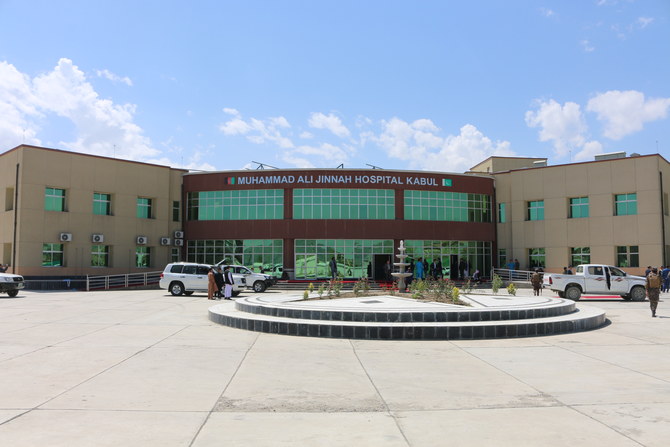
Most hospital equipment moved on Wednesday, September 10, as relocation, began two days ago. Opened in 2010 with Pakistani assistance, the hospital was the only major public medical facility in western Kabul. Its closure leaves local residents facing serious healthcare challenges. Critics argue the move is more than a simple transfer—it symbolizes discriminatory healthcare policies that risk eroding public trust.
Muhammad Ali Jinnah Hospital, with significant capacity and modern equipment, has long provided essential services to Kabul residents and patients from other provinces. Western Kabul, predominantly home to Shia communities, has historically faced socio-economic marginalization. The hospital also represented international cooperation and hope for improved healthcare, though the Taliban had previously closed 50-bed Dasht-e-Barchi facility citing budget constraints.
The current relocation prioritizes eastern Kabul, which often aligns with Taliban support bases, over more densely populated west. Local residents protests and petitions to halt the transfer were ignored, reflecting disregard for community voices. Observers warn that removing a key healthcare center in a high-need area can worsen social inequalities, deepen public marginalization, and undermine Taliban’s legitimacy.
Analysts suggest thay Taliban may have adopted a reform-oriented approach: constructing a new hospital in the east while maintaining Muhammad Ali Jinnah Hospital in the west through international aid or internal funding. Such measures would promote justice, rebuild public trust, and ensure equitable healthcare access across Kabul.
The transfer of Muhammad Ali Jinnah Hospital is thus seen not merely as a technical relocation but as a symbol of failure in achieving healthcare equity. Without inclusive policies, systemic inequalities and public distrust are likely to grow.
By Rahmatullah Enayati – DID Press Agency