DID Press: Assassination of Sayed Hasan Nasrallah by Israel is viewed by supporters not as the end of an era, but as the beginning of a new phase in the continuation of his political and ideological struggle. Rather than creating a vacuum, his death is seen as a powerful catalyst for renewed commitment to steadfastness, anti-imperialist resistance, and loyalty to the so-called “Axis of Resistance.”
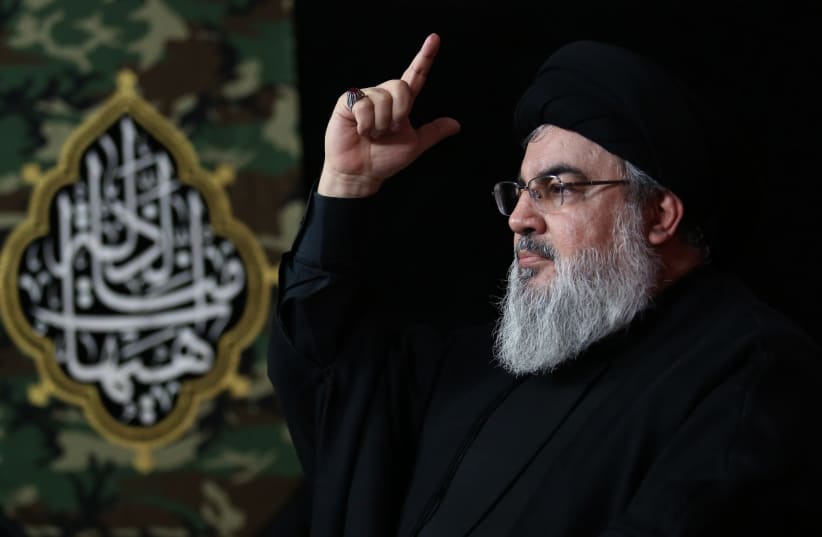
Born in Beirut in 1960, Sayed Hasan Nasrallah, longtime Secretary-General of Lebanon’s Hezbollah, dedicated his life to religion, revolution, and resistance. Inspired by teachings of Iran’s Ayatollah Ruhollah Khomeini, Nasrallah studied in the seminaries of Najaf and Qom before emerging in the 1980s as one of the founding figures of Hezbollah.
Under his leadership, Hezbollah became a symbol of Islamic resistance against Israel, gaining significant standing among pro-resistance movements across the Muslim world. Over decades, Nasrallah redefined the concept of “resistance” — transforming it from a military tactic into a political-religious ideology rooted in justice, independence, and the defense of the oppressed.
Hezbollah’s strategic victories — from liberation of southern Lebanon in 2000 to Israel’s failure to achieve its objectives during the 2006 war — earned Nasrallah widespread respect and turned his movement into a model for anti-imperialist struggles across the region.
In his speeches, Nasrallah often portrayed Israel as a symbol of modern colonial influence in the Middle East and urged unity among Muslim nations against what he called “Western neocolonial projects.” Under his command, Hezbollah evolved into a political and ideological force that helped shape regional dynamics and constrain Israeli influence.
Supporters argue that Hezbollah’s military and political presence helped maintain a strategic balance in the region and prevented the realization of the so-called “Greater Israel” project — which, they say, would have eroded the national and Islamic identities of Palestinians and other peoples in the region.
Analysts note that Nasrallah’s assassination is likely to galvanize pro-resistance movements across the Middle East, reinforcing their commitment to the ideology and objectives he championed. His intellectual and political legacy, they say, continues to inspire new generations who view resistance as a moral and spiritual duty.
Observers warn that Israel and its Western allies fear not the fall of individual leaders, but the persistence of the culture of resistance — a movement deeply rooted in faith, identity, and collective struggle.
Supporters maintain that this movement, inspired by Islamic teachings and the leadership of the Islamic Republic of Iran, will continue its course toward what they describe as the eventual triumph of justice over oppression.
According to this view, Nasrallah’s death marks not the end of a leadership, but the beginning of a deeper consolidation of the resistance front — a cause that, in their words, “will continue to grow stronger with every sacrifice and every martyr.”
By Rahmatullah Enayati – DID Press Agency