Trump–Baradar Phone Call: Khalilzad Speaks of “Respect,” Taliban Claim They Hung Up
DID Press: Reacting to Taliban leader Mullah Abdul Ghani Baradar’s new remarks of his phone call with U.S. President Donald Trump, former U.S. envoy Zalmay Khalilzad said the conversation took place in a “friendly and respectful” atmosphere — a statement that contrasts with Baradar’s latest remarks suggesting he ended the call himself.
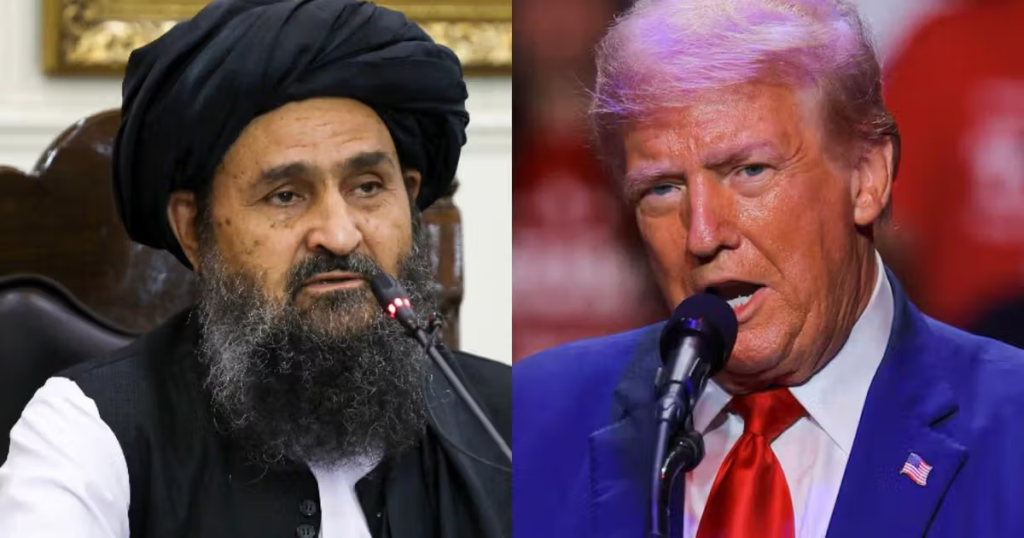
In a post on X, Khalilzad — who served as the U.S. Special Representative for Afghanostan Reconciliation — said: “The conversation between President Trump and Mullah Baradar was friendly, constructive, and respectful. It ended on good terms.”
“The translation of the conversation was carried out by a professional interpreter from the U.S. State Department and that “there was no distortion or misinterpretation whatsoever,” he added.
Khalilzad dismissed recent reports about the call as “fake news,” adding, “Those without access to credible sources or journalistic ethics resort to fabrication.”
However, a newly circulated video featuring Mullah Abdul Ghani Baradar offers a very different narrative. In the clip, shared by Taliban-linked social media accounts, Baradar claims: “Trump never talked to anyone for more than ten minutes. I hung up the phone myself.”
This statement contradicts earlier reports suggesting the conversation lasted about 35 minutes. In another part of the video, Baradar referenced Bagram Air Base, saying, “The Taliban can protect Bagram, and we should not fear Trump’s threats.”
Political analysts say Taliban’s version of events appears to be part of a broader effort to “reframe the historical narrative” of their dealings with the United States — a move aimed at bolstering their domestic and regional legitimacy following the U.S. withdrawal from Afghanistan.
Others argue that such conflicting views are not unusual in complex diplomatic processes, reflecting the differing perspectives of key actors whose decisions continue to shape Afghanistan’s political future and the balance of power in Central Asia.
Ultimately, the phone call between Trump and Mullah Baradar — once seen as a symbol of peace and the end of America’s military presence in Afghanistan — has now re-emerged as a symbol of dispute over the “truth of diplomacy,” a legacy still resonating across both politics and media.