DID Press: October 7 marks two major turning points in modern history — the beginning of US invasion of Afghanistan in 2001, and the “Al-Aqsa Flood” operation launched by the Palestinian group Hamas against Israel in 2023. Though separated by geography and circumstance, both events reflect a common theme: the resistance of nations against foreign occupation and domination.
Following September 11 attacks on the World Trade Center in New York, the United States invaded Afghanistan on October 7, 2001, under the banner of a “war on terror.” The intervention led to two decades of military presence and political involvement in Afghanistan. Instead of bringing peace and stability, the war resulted in tens of thousands of deaths, millions of displaced people, and widespread destruction. In the end, the outcome defied Washington’s expectations: the Taliban returned to power, U.S. forces withdrew, and America’s “nation-building” project collapsed — marking the decline of the unipolar, U.S.-led global order.
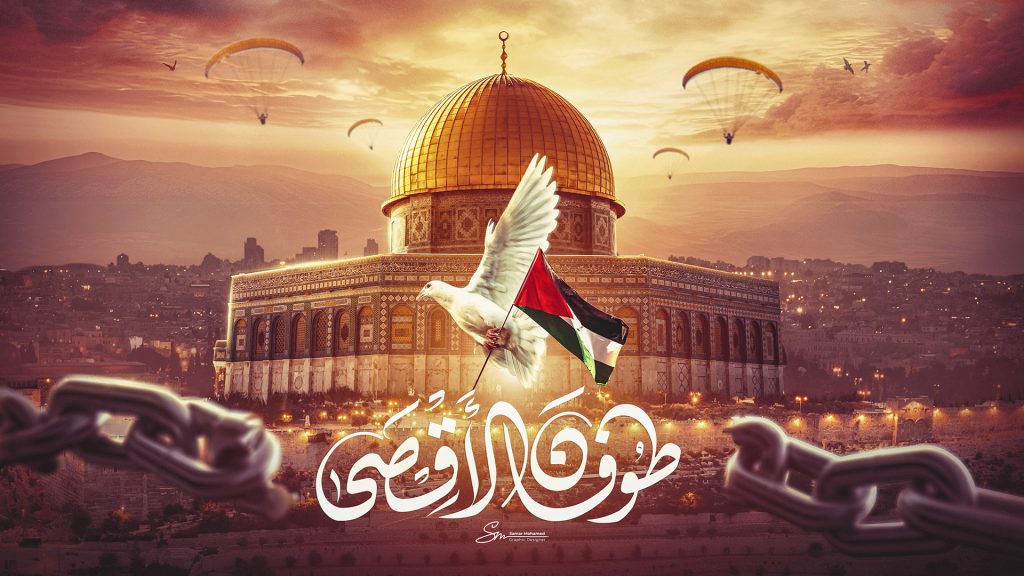
Exactly 22 years later, on October 7, 2023, Hamas launched its surprise “Al-Aqsa Flood” operation, reshaping the political and security landscape of the Middle East. The attack not only shocked Israel militarily and psychologically but also brought the Palestinian issue back to the forefront of international discussions. Analysts described the operation as a symbol of renewed resistance and a sign of shifting power dynamics in the region.
The common thread between the two events lies in their opposition to what many perceive as imperial domination. The U.S., which invaded Afghanistan under the pretext of promoting democracy and freedom, instead left behind instability and resentment. Similarly, Israel, citing security concerns, has pursued a decades-long policy of occupation and displacement in Palestine. History, however, has shown that occupations are not sustainable. As the U.S. ultimately withdrew from Afghanistan in failure, Israel today faces deepening internal divisions and growing international isolation amid the war in Gaza.
The “Al-Aqsa Flood” was not only a military operation but also a powerful media and psychological event. It sparked widespread sympathy and massive protest movements worldwide — from Muslim-majority countries to Western capitals — where hundreds of thousands have taken to the streets in solidarity with Palestinians and in condemnation of the ongoing conflict in Gaza.
Over the past two years, Israel’s military campaign in Gaza has intensified, drawing accusations of unprecedented civilian suffering and eroding its moral legitimacy. Meanwhile, the internal divisions within Israeli society have widened.
From Kabul to Gaza, a shared narrative has emerged — one of nations enduring immense hardship yet refusing to surrender. Despite immense suffering, both Afghans and Palestinians have sought to preserve their dignity and identity through steadfast resistance.
Recent remarks by U.S. President Donald Trump, who threatened to retake Bagram Airbase in Afghanistan and called for a harsh response in Gaza, and Israeli leaders’ declaring to “destroy Hamas,” have been interpreted by critics as signs of frustration rather than strength.
For many observers, October 7 has come to symbolize more than just two wars. It represents a broader global awakening — a turning point from submission to self-determination. From Afghanistan to Palestine, the spirit of resistance endures, and, as many believe, just as the occupation of Kabul ended, the end of the occupation of Jerusalem may also be inevitable.
By Mohsen Mowahed