Pakistan Faces Direct Confrontation With Taliban
DID Press: Pakistan’s airstrikes on Afghanistan’s capital Kabul and Paktika provinces, along with a warning from its defense minister about possible incursions into Afghanistan territory, mark what analysts describe as a major shift in Islamabad’s long-standing Afghanistan strategy.
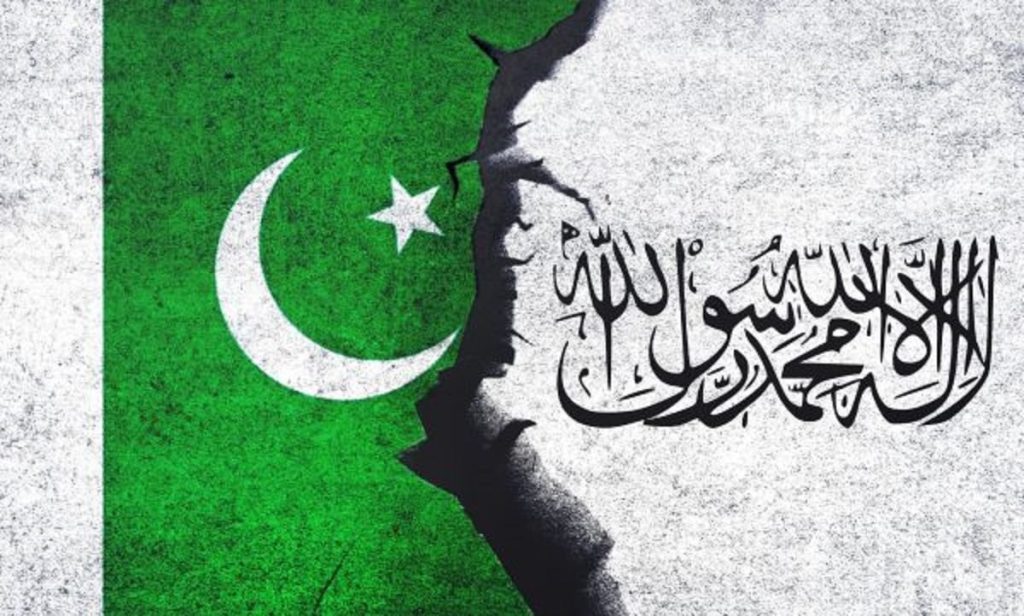
After decades of pursuing influence through proxy groups, Pakistan now finds itself facing a deepening security and political crisis — a development noted by Afghanistan political figures and regional analysts, including former intelligence chief Rahmatullah Nabil.
On Thursday night (Oct. 9), Pakistani fighter jets reportedly struck areas in Kabul and Paktika. Taliban’s defense ministry condemned the attacks, calling them a “clear violation of Afghanistan’s sovereignty.” Acting Foreign Minister Amir Khan Muttaqi, speaking in New Delhi, warned Islamabad to “learn from the fate of the Soviet Union, the United States, and NATO,” describing the strikes as “irresponsible acts.”
Pakistan’s Defense Minister Khawaja Asif responded by warning that “if terrorist elements enter Pakistan from Afghanistan soil, our response will be direct action inside Afghanistan. We will not allow our territorial integrity to be violated.” A military spokesperson said the army will take “all necessary measures” to safeguard national security.
Analyst Ahmad Saeedi said the escalation signals the end of Islamabad’s traditional leverage over the Taliban and the beginning of a regional military competition. “The Taliban have not only distanced themselves from Pakistan’s expectations but have engaged with Islamabad’s strategic rivals, including India,” he said, adding that continued Taliban ties with Tehreek-e-Taliban Pakistan (TTP) can prompt more Pakistani airstrikes.
Former Afghanistan intelligence chief Rahmatullah Nabil warned that Pakistan is now “trapped in the same quagmire it created for others.” In a statement, he said Pakistan’s decades-old “strategic depth” policy and reliance on proxy forces have backfired, creating domestic political, economic, and security turmoil. “Afghanistan has proven that no power can impose control over this land through force or manipulation,” Nabil added.
Meanwhile, a deadly attack on Friday night in Pakistan’s Dera Ismail Khan, which officials blamed on militants based in Afghanistan, underscores the ongoing tensions along the shared border.
Summary
Pakistan, once seeking to shape Afghanistan through proxies, now faces direct confrontation and domestic fallout. Analysts say the relationship between the two countries has shifted from “strategic depth” to “armed rivalry and open confrontation,” leaving Islamabad to face the costs of its past policies.