Kabul and Tashkent Eye Chabahar in Boosting Regional Trade
DID Press: As US sanctions cast uncertainty over the future of Iran’s Chabahar Port, Afghanistan and Uzbekistan have emphasized its importance for expanding regional trade and access to global markets, particularly India.
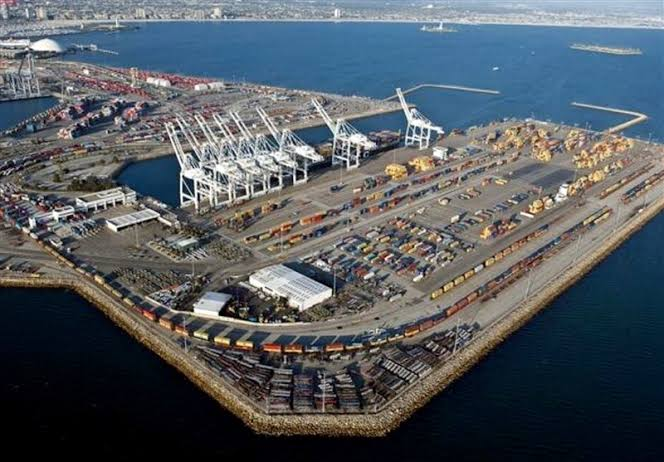
Following Washington’s decision to revoke the waiver on sanctions for Chabahar, both Kabul and Tashkent have increasingly underlined the port’s strategic role as a vital trade link connecting Central Asia to international markets.
Landlocked Afghanistan sees Chabahar as a crucial alternative to Pakistan’s Karachi Port, providing a more independent and secure route for imports and exports.
Uzbekistan, meanwhile, is seeking to diversify its trade corridors and views the South–North route through Chabahar as an essential part of its strategy.
The recent visit of Amir Khan Muttaqi, Taliban’s acting foreign minister, to India was interpreted within this context. During his trip, Muttaqi called for enhanced commercial cooperation with New Delhi and joint use of Chabahar as a key transit hub.
Taliban administration considers Chabahar a bridge toward global economic engagement and constructive regional cooperation.
Uzbekistan has also expressed interest in investing in infrastructure projects linked to the port, urging faster development of transport networks and logistics facilities centered around Chabahar. Tashkent views the project not only in commercial terms but as a strategic and geopolitical initiative, hoping India will maintain its commitment to the port despite growing sanctions pressure.
Meanwhile, Iran continues to prioritize expansion of Chabahar’s infrastructure as part of its regional cooperation policy, aiming to turn the port into a key gateway connecting East and West Asia.