Afghanistani Migrants Bear Cost of Islamabad-Kabul Tensions
DID Press: Forced return of millions of Afghanistani refugees on the eve of winter, amid Afghanistan’s deep economic crisis, unemployment, and lack of basic services, threatens to trigger a humanitarian disaster.
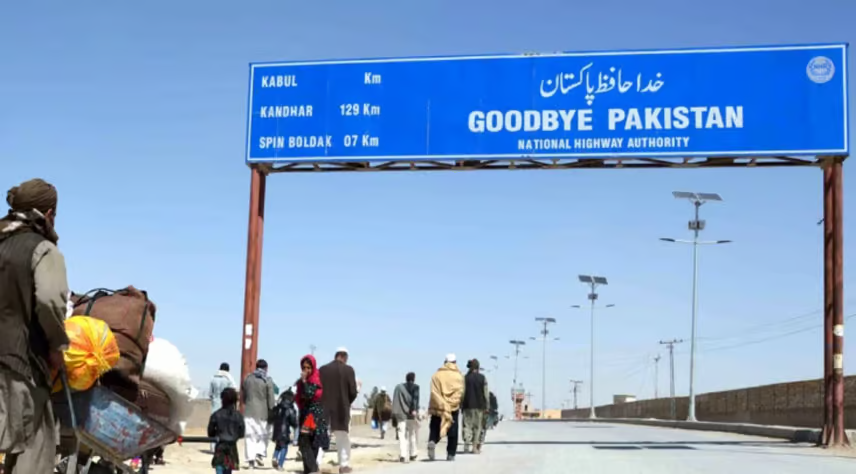
The decision by Pakistani Prime Minister Shehbaz Sharif to immediately expel all Afghanistani refugees marks a new chapter in pressure tactics on vulnerable populations in the region. Announced at an emergency meeting on Friday, this move highlights the deepening rift between Islamabad and Kabul, with the heaviest burden falling on defenseless communities.
Pakistan’s inability to continue hosting Afghanistani refugees, set against the backdrop of recent border clashes with the Taliban, carries a complex narrative. Sharif, citing domestic pressure to end hosting, has mixed security concerns with humanitarian issues, using refugees as a lever to pressure Kabul government. While framed as a security measure, the policy reflects the failure of bilateral diplomacy and the search for scapegoats.
Pakistani authorities report that over 1.4 million refugees are being expelled in phased operations, a process expected to accelerate through increased border checkpoints and criminalization of undocumented Afghan settlements. The policy, combined with threats against Afghanistani hosts, has created an atmosphere of fear and instability among refugee communities.
The humanitarian impact is exacerbated by timing: returning millions of refugees ahead of winter, when Afghanistan faces multiple economic crises, unemployment, and limited resources, risks a humanitarian catastrophe. The policy imposes additional burdens on an already strained Afghanistan society.
While Islamabad’s security argument—concern over potential use of Afghanistani territory by terrorist groups—is legitimate, linking it directly to refugee expulsion lacks ethical and legal justification. Afghanistnai refugees, who fled Pakistan for decades due to poverty, war, and insecurity, are neither responsible for security crises nor active political actors, yet they are being used as political pawns.
Pakistan’s current approach not only imposes a severe humanitarian burden on Afghanistan but also risks regional instability, targeting the most vulnerable populations who had no role in political tensions.
Afghanistan and Pakistan, beyond political differences, share a common fate and cultural bonds. A sustainable solution lies in responsible dialogue and respect for human rights, not in turning innocent people into instruments of political leverage.
by Ahmad Zaki Navisa