DID Press: Recent remarks by General Asad Durrani, former head of Pakistan’s military intelligence, and his confirmation of former President Pervez Musharraf’s role in formation of Tehrik-i-Taliban Pakistan (TTP), have once again highlighted how Islamabad’s regional and security strategies over the past two decades have backfired—undermining Pakistan’s internal stability and long-term national security while failing to achieve its short-term objectives of influence in Afghanistan.
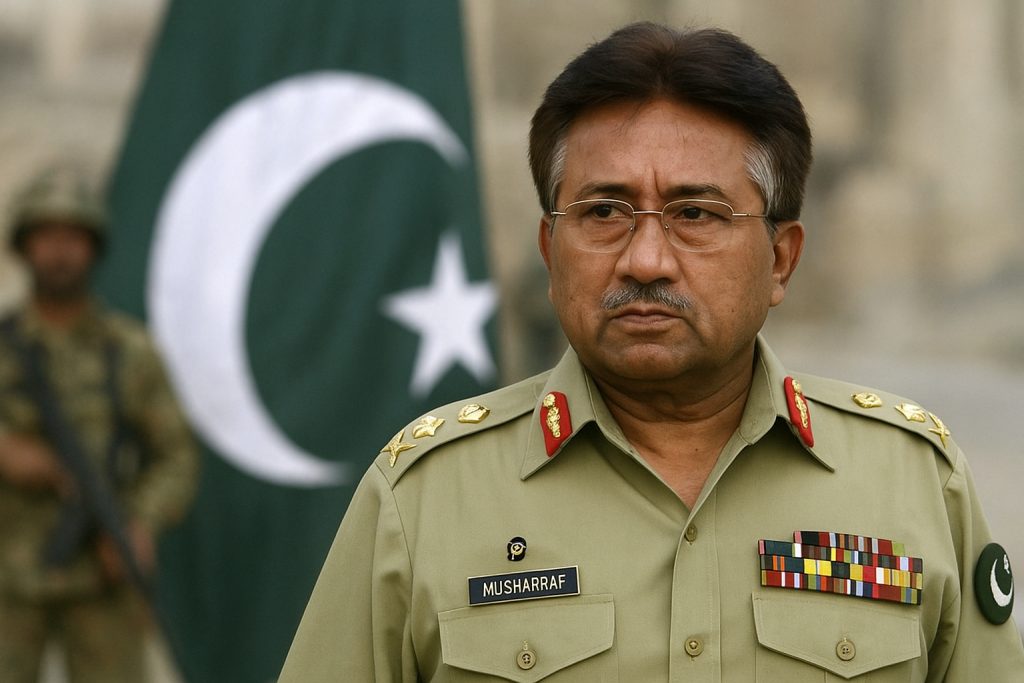
The deployment of Pakistani army into the tribal areas without the consent of local tribes and in violation of long-standing agreements with them directly contributed to the emergence of the Pakistani Taliban. This revealed how short-term strategic choices can generate enduring security threats.
Today, the consequences of those policies are starkly evident: militant networks once cultivated as instruments of influence in Afghanistan have become the gravest threat to Pakistan’s domestic security. Border and urban attacks, civilian casualties, economic losses, and widespread instability are direct outcomes of those misguided strategies that prioritized geopolitical gains over human security.
Public acknowledgment by Pakistan’s military and defense officials that the TTP was “their own creation” undermines Islamabad’s long-standing claims that terrorism originated outside its borders. It also illustrates the devastating consequences of major security decisions made without adequate assessment of internal and regional repercussions.
This strategic error has not only intensified Pakistan’s internal threats but also amplified regional instability. Afghanistan has turned into a hub for armed factions and regional rivalries, prompting security and diplomatic reactions from countries such as Russia, Iran, China, and India—each increasingly distrustful of both Islamabad and Kabul. The spillover of these policies has generated humanitarian, economic, and security crises beyond national borders.
The past two decades clearly demonstrate that the instrumentalization of militant groups, rather than strengthening the state or fostering development, has been a costly and counterproductive strategy. Correcting this course requires transparency and accountability within security institutions, a clear separation between domestic security and foreign policy objectives, counterterrorism efforts consistent with international law and human rights, active regional diplomacy, and a firm commitment to ending all forms of support for illegal armed groups.
Pakistan’s leadership must now realize that mere acknowledgment of past mistakes is not enough. Only a fundamental strategic shift—anchored in stability, governance, and development—can reverse the cycle of internal and regional insecurity and rebuild national resilience. Without such reform, the spiral of violence and instability will continue to expand, reproducing the very threats that Pakistan once sought to control.
By Rahel Mousavi