Afghanistan Faces Deepening Hunger Crisis Ahead of Winter
DID Press: On the eve of the United Nations’ 80th anniversary, the World Food Programme (WFP) issued a stark warning that has once again placed Afghanistan at the center of global attention.
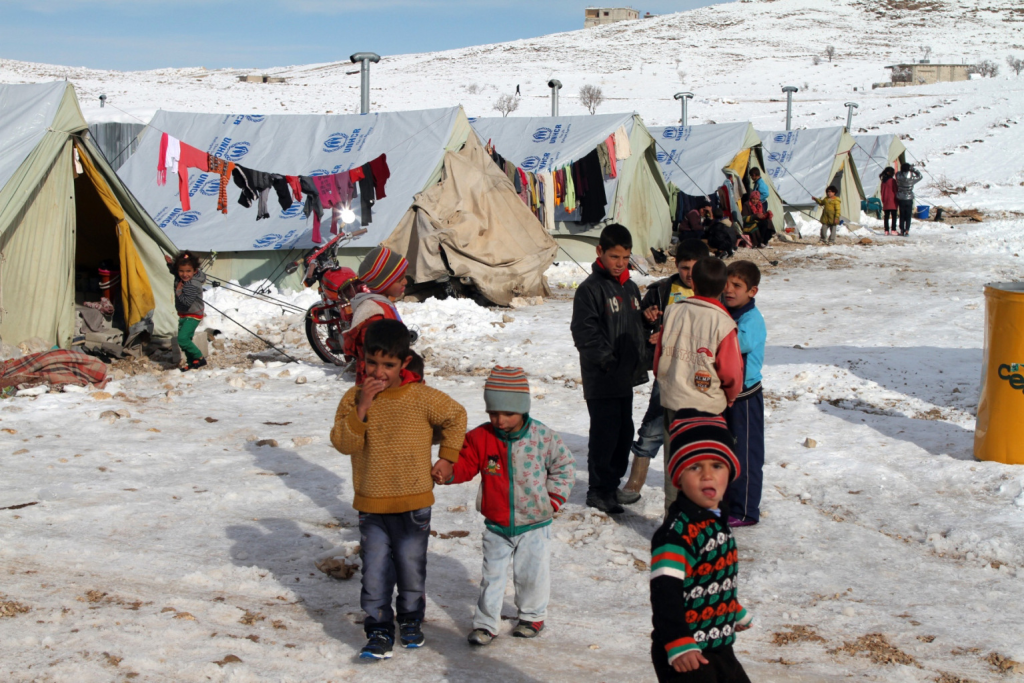
According to the WFP, one in five Afghans does not know where their next meal will come from—a figure that reflects not just a statistic but the gradual collapse of food security in a country that was once self-sufficient.
The UN Office for the Coordination of Humanitarian Affairs (OCHA) confirms that Afghanistan is facing one of the world’s worst hunger crises. Some 9.5 million people are experiencing severe food insecurity, highlighting a society on the brink.
The situation is poised to worsen as Afghanistan enters winter, a season that historically amplifies economic and social vulnerabilities. Remote and mountainous provinces face geographical isolation, making humanitarian access more difficult.
The return of large numbers of migrants, coupled with recent natural disasters including floods and earthquakes, has further strained an already fragile economy. These events have destroyed homes, infrastructure, and farmland, while a sharp decline in international aid has constrained relief efforts.
Structural issues also drive the crisis. Capital flight, widespread unemployment, and the collapse of productive sectors have made food security one of the population’s most vulnerable concerns. Restrictions on women’s right to work have further reduced household income and weakened families’ ability to cope.
If left unaddressed, the crisis could trigger extensive migration, rising insecurity, and growing disconnect between the population and authorities. Hunger erodes communities’ capacity for reconstruction and social stability.
Women and children remain the hardest hit. Malnourished children face not only physical setbacks but also cognitive and educational impairments, while women shoulder increased economic and psychological burdens, threatening overall family well-being.
Experts stress that addressing the hunger crisis requires urgent, structural solutions. Humanitarian organizations must act swiftly to prevent a humanitarian catastrophe this winter. However, without active support for the domestic economy, job creation, and inclusive economic participation, aid alone will provide only temporary relief.
Afghanistan’s path out of hunger requires structural transformation to revive the economy and restore hope to its people. Until then, the WFP’s statistics will continue to tell the story of a society anxiously awaiting its next meal.
By Ahmad Zaki Navisa