Afghanistan: Beating Heart of Regional Transit
DID Press: As long as insecurity and distrust prevail in the region, no project will fully succeed. We must learn that Afghanistan’s national interests depend on transforming our country from a battleground for great-power competition into a hub of regional cooperation and connectivity.
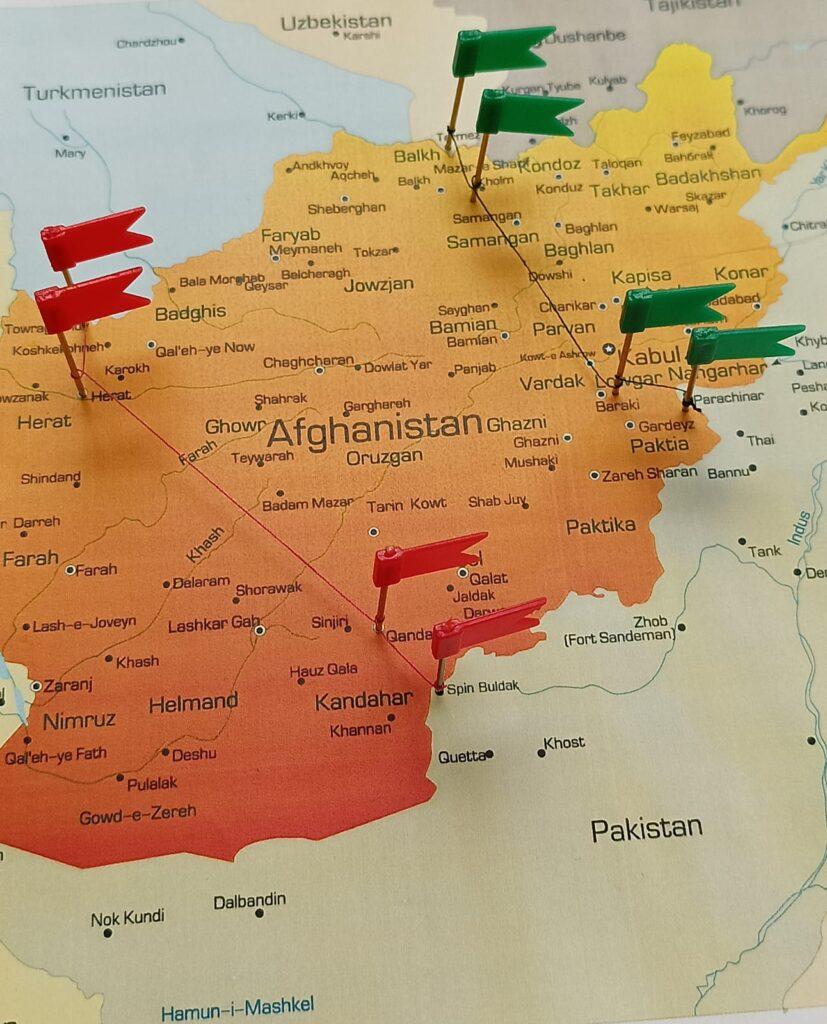
In recent years, global and regional developments—particularly following the outbreak of the war in Ukraine—have reshaped trade and transit routes among nations. Central Asian countries are now seeking to reduce their dependence on northern corridors and find alternative pathways to access the warm waters of the Indian Ocean. In this context, Afghanistan has once again drawn renewed attention.
Our land, with its unique geopolitical position at the crossroads of Central Asia, South Asia, and the Middle East, has long stood as a focal point of civilizations. Today, this very location can turn Afghanistan into a vital bridge for trade and economic cooperation between northern and southern Asia.
Since the rise of the Taliban interim administration, several efforts have been initiated to reactivate major infrastructure and transit projects, including:
Khaf–Herat railway strengthening Afghanistan-Iran connectivity,
Mazar-i-Sharif–Herat railway linking the north and west of the country,
And the regional Lapis Lazuli Corridor connecting Afghanistan to Europe via Turkmenistan, Azerbaijan, and Türkiye.
Activating these routes can transform Afghanistan from a landlocked nation into a central transit hub—where goods move from Central Asia to southern seaports through Afghan territory, generating revenue, employment, and economic stability.
However, achieving this vision requires political stability, sound governance, and genuine cooperation with neighboring countries. As long as insecurity and mistrust dominate the region, no strategic project can reach its full potential. We must understand that Afghanistan’s national interests lie in shifting from geopolitical rivalry to regional partnership and integration.
Afghanistan sits at the heart of Asia—not merely as a geographic fact, but as a historic opportunity. If this beating heart acts with wisdom and foresight, it can drive peace and prosperity across the region.
Undoubtedly, the day will come when the name “Afghanistan” is associated not with war, but with transit, trade, and the connection of nations. This goal is achievable—provided we ourselves believe in our geopolitical capacity and national potential before anyone else does.
By Sayed Ayub Hussaini – DID Press Agency