Stoltenberg Calls NATO’s Afghanistan Withdrawal ‘Biggest Defeat’
DID Press: Jens Stoltenberg, former NATO Secretary-General and Norway’s current Minister of Finance, recently acknowledged that the withdrawal of U.S. and NATO forces from Afghanistan was “the biggest defeat in the history of the coalition.” Despite the bitter experience, he believes that leaving Afghanistan was ultimately the right decision.
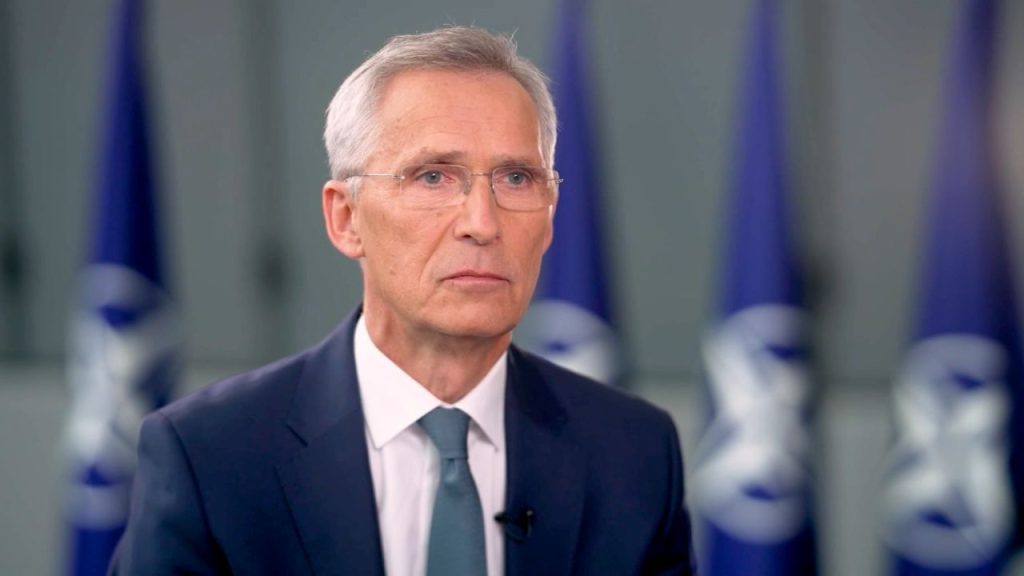
In an interview with The Times, Stoltenberg reflected on the consequences of the foreign forces’ departure from Afghanistan. “The withdrawal from Afghanistan was NATO’s biggest failure. However, I still believe that leaving Afghanistan was the right decision, even though it was bitter and painful for many people,” he said.
These remarks come in the context of August 2021, when Taliban forces took control of Kabul within hours, marking the official end of nearly two decades of war. US forces left Afghanistan on August 31 of the same year, concluding their 20-year military presence.
NATO’s presence in Afghanistan began in 2001 following the September 11 attacks. The alliance’s initial goal was to overthrow the Taliban and counter international terrorism, but NATO’s mission gradually expanded to include rebuilding state institutions, training Afghan security forces, and establishing political stability.
Despite these efforts, widespread corruption, heavy dependence of the former government on foreign aid, and failure to gain public trust led to the rapid collapse of state structures following the withdrawal of foreign troops. The Taliban’s return to power damaged NATO’s and the United States’ credibility globally and prompted widespread criticism.
Stoltenberg described Afghanistan as a symbol of the failures of Western military interventions, where high human, financial, and political costs yielded no lasting achievements.
Analysts argue that this experience underscores the importance of careful planning, understanding local conditions, and realistically assessing objectives in international missions.