Afghanistan Facing Environmental Crisis due to Rapid Urbanization and Infrastructure Gaps
DID Press: Inefficient waste and water resource management, a severe shortage of green spaces, and uncontrolled, substandard construction are among the issues that have undermined the foundations of environmental health in Afghanistan. In addition, the absence of a comprehensive urban sewage system, dirt roads, and chronic droughts have created conditions that push the country’s environment toward a critical point.
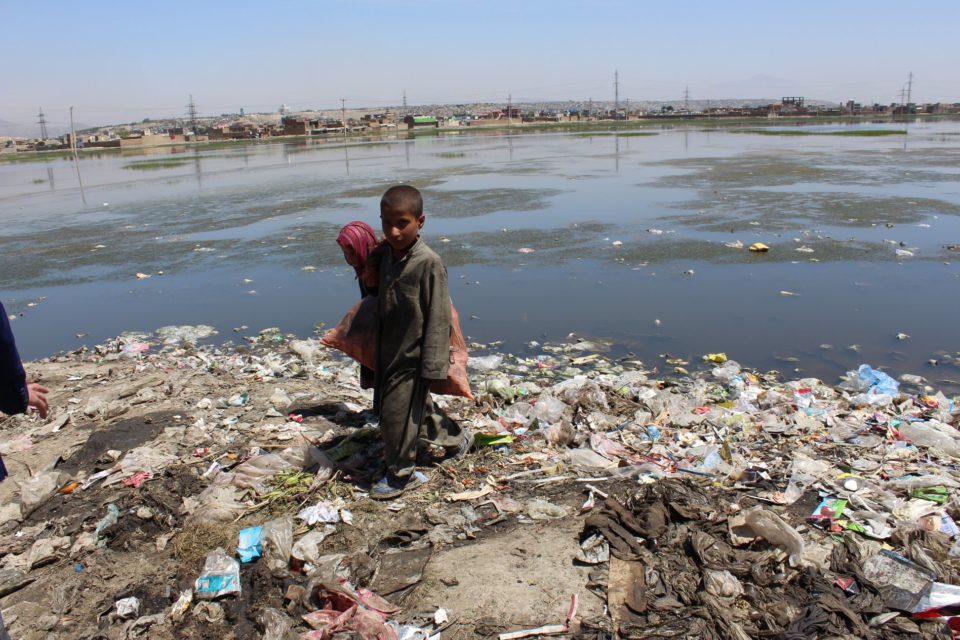
The United Nations Human Settlements Programme (UN-Habitat) in Afghanistan issued a serious warning on Sunday, Nov. 8, emphasizing the country’s acute vulnerability to environmental degradation. This warning comes at a time when Afghanistan, after decades of war and instability, faces a dual challenge.
On one hand, rapid urbanization, and on the other, the lack of necessary infrastructure to manage this fundamental transformation. This situation threatens not only public health but also the future of Afghanistan’s cities, potentially leading to an irreversible crisis.
Inefficient waste and water resource management, a severe shortage of green spaces, and uncontrolled, substandard construction are among the problems that have destabilized environmental health in Afghanistan. Moreover, the absence of a comprehensive urban sewage system, dirt roads, and chronic drought conditions has brought the country’s environment to a critical juncture. These combined factors not only reduce citizens’ quality of life but also create conditions for disease outbreaks and health crises.
What complicates the situation further is the accelerating urbanization in the absence of proper city planning. Rapid population growth without a comprehensive strategy is pushing Afghanistan’s major cities toward an uncertain fate.
Global experience clearly shows that countries that neglect population growth management and environmental protection face persistent, costly challenges in the long term. If Afghanistan continues on its current path, it will soon confront a crisis that the government will not have the capacity to resolve, nor will there be opportunities to correct and mitigate it.
However, purposeful urban planning and public participation can offer an effective solution to these challenges. Achieving this goal requires strong political will, sufficient resource allocation, and a scientific and methodical approach. The Afghan government has a heavy responsibility to design and implement strategic, comprehensive programs that manage urban growth within a structured and scientific framework.
It is clear that Afghanistan is at a critical juncture. Ignoring these warnings and neglecting environmental planning threatens not only the health of the current generation but also leaves a heavy environmental legacy for future generations. The time has come for officials to fully understand the dimensions of this crisis and take practical and effective steps to save Afghanistan’s environment before it is too late.
By Ahmad Zaki Naweesa – DID Press Agency