US Night Raids in Afghanistan Amount to War Crimes
DID Press: The Small Wars Journal, a US-based military and strategic studies publication, has reported that during the years of Afghanistan war—particularly after 2014—the US military committed widespread human rights violations and civilian killings through airstrikes and night raids, many of which were never formally investigated or prosecuted.
According to the report, US Central Command carried out over 26,227 airstrikes in Afghanistan between 2014 and 2021, but official data on casualties and targets remain incomplete, inconsistent, and sometimes contradictory. In 2016 alone, at least 456 airstrikes were missing from public databases, raising serious concerns about transparency and accountability.
The journal notes that after the drawdown of US ground forces, many strikes relied solely on satellite imagery and reports from Afghan units, with little or no on-site verification. As a result, numerous civilians were killed, and many incidents went unrecorded or unexamined.
Among the most notorious examples was the 2015 US airstrike on a Médecins Sans Frontières (Doctors Without Borders) hospital in Kunduz, which killed at least 42 people. The US military later called it a “preventable human error.” Similar air operations in Kunduz and Nangarhar in 2017 and 2018 also caused dozens of civilian deaths, though US commanders denied finding evidence of civilian casualties.
In 2021, during the chaotic US withdrawal from Kabul, a drone strike intended as retaliation for the airport bombing instead killed ten civilians, including seven children. The targeting decision was based on algorithmic and behavioral analysis rather than verified intelligence.
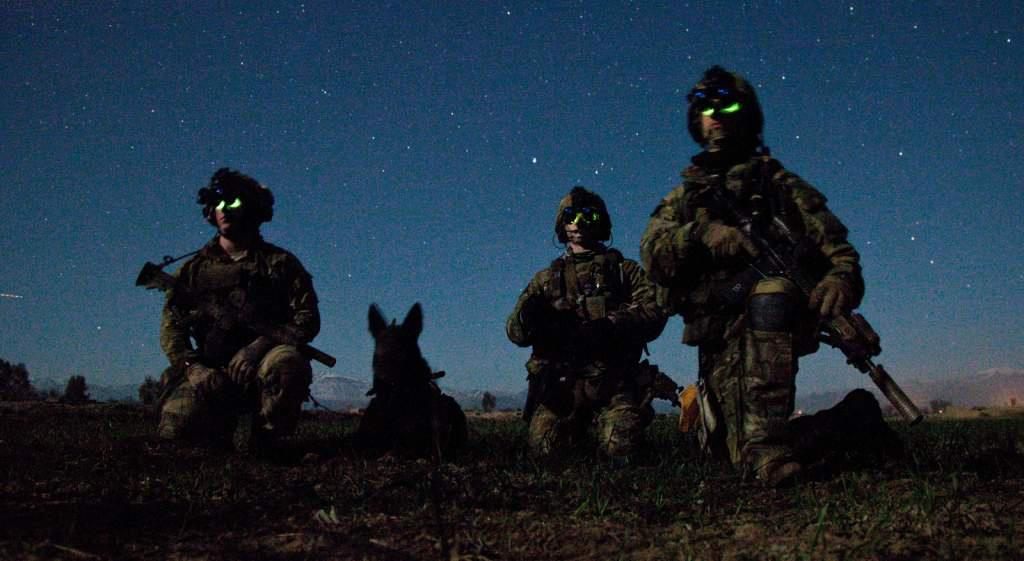
The report also cites CIA-backed Afghan special units that operated outside international legal frameworks, conducting night raids marked by arbitrary detentions, enforced disappearances, and extrajudicial killings. Victims of these operations had no legal recourse.
Small Wars Journal warned that the growing military dependence on AI-driven targeting systems increases the risk of similar tragedies when data is biased or incomplete. Although US Department of Defense Directive 3000.09 mandates human involvement in lethal decision-making, its effective enforcement in complex urban conflicts remains uncertain.
The publication called for independent fact-finding commissions, stronger accountability mechanisms, and a review of targeting policies to better protect civilians in future conflicts.