SCO Summit in Moscow Pushes Eurasian Economic Integration
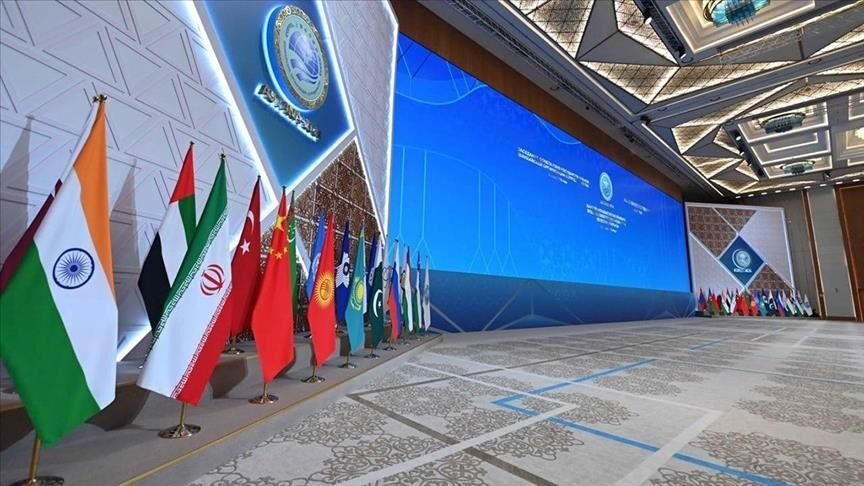
DID Press: Shanghai Cooperation Organization (SCO) leaders’ summit is set to take place today and tomorrow, (17-18 November 2025), in Moscow under Russia’s rotating chairmanship. The meeting is expected to mark a turning point for deepening Eurasian economic cooperation and strengthening multilateral trade routes. Held three months after the key Tianjin summit, it aims to advance the implementation of new trade roadmaps and financial frameworks among member states.
Economic Agenda: From Grand Plans to Practical Action
At the heart of the Moscow summit is China-Russia economic cooperation, focusing on energy, investment, and financial settlement mechanisms. The attendance of Chinese Premier Li Qiang has raised hopes for enhanced development synergy and expanded Chinese investment through the Belt and Road Initiative. Analysts note that China’s active role in shaping the 2026–2030 five-year plan toward an innovation-driven economy could generate wide-ranging opportunities for other SCO members.
China-Russia Trade: Strengthening Strategic Partnership
Key discussions include the implementation timeline for the Power of Siberia 2 gas pipeline, transporting Russian gas to China via Mongolia. Although a cooperation agreement exists, construction schedules remain unconfirmed, and Beijing has yet to allocate a definitive budget.
China and India: Addressing Trade Imbalances
The SCO dialogue could also help mitigate trade imbalances between China and India, where bilateral trade reached $118.4 billion in FY 2023–24, with India’s trade deficit estimated at about $100 billion. Expanding collaboration in technology, energy, infrastructure, and local currency settlements could foster a more balanced and sustainable economic relationship.
Integrated SCO Economic Space
The drafted action plan emphasizes reducing trade barriers, improving transport infrastructure, and developing independent financial systems. The proposal to establish a SCO Development Bank has resurfaced and may be operationalized during the Moscow summit.
Geopolitical Dimensions: Strengthening Eurasia in a Multipolar World
The summit carries broader geopolitical significance, enhancing the SCO’s role in shaping a multipolar global order. At the Tianjin summit, President Xi Jinping emphasized sovereign equality and rejected bloc-oriented policies, while President Putin highlighted energy cooperation and security development. Initiatives like local-currency settlement systems and joint bonds aim to reduce members’ vulnerability to Western financial pressures.
Challenges: Capacity Gaps and External Pressures
Despite a positive outlook, obstacles such as complexities in building shared financial infrastructure, varying economic capacities among members, regulatory coordination, and external geopolitical pressures could slow integration. Achieving the 2030 roadmap will require strong political will and substantial financial resources.
Looking Ahead
If SCO members approve and implement the 2026–2030 long-term plan, the Moscow summit could mark the start of a new era of economic convergence in Eurasia. Success would move the organization from rhetoric to tangible action, strengthening economic resilience, sustainable integration, and global influence.