Billions in Limbo as Trade Halted at Afghanistan-Pakistan Border
DID Press: Rising border tensions and political disputes between the Taliban government in Afghanistan and Pakistan have effectively halted formal trade between the two countries for over a month, leaving billions of dollars’ worth of goods stranded at border crossings.
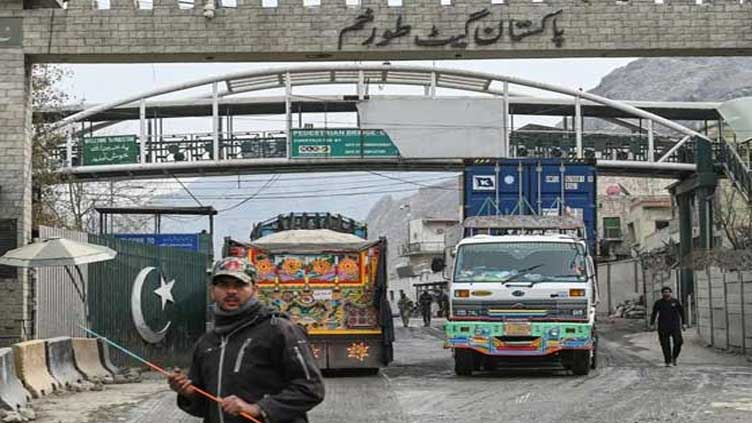
According to the Joint Chamber of Commerce of Afghanistan and Pakistan, nearly $6 billion in goods remain in limbo at key border points, pushing bilateral trade into an unprecedented slowdown. On Wednesday, November 18, the chamber sent an official letter to the Pakistani government urging immediate action to reopen trade routes and prevent further economic losses.
Border crossings including Torkham, Spin Boldak, Chaman, Ghulam Khan, and Dand Patan have been closed for more than a month, leaving thousands of containers carrying food, medicine, and industrial goods stuck and putting thousands of workers on both sides of the border in difficult living conditions.
Junaid Maqsood, head of the Joint Chamber of Commerce, warned that the situation is “not just an administrative problem” but has a direct impact on the regional economy and the livelihoods of millions in Pakistan. He noted that continued disruption could reduce the annual trade volume between the two countries—estimated at over $5 billion—to unprecedented lows. Current figures show trade has dropped to less than $1 billion, underscoring the severity of the crisis.
Meanwhile, the Taliban government has instructed Afghan traders to reduce imports from Pakistan over the next three months and activate alternative transit routes, citing Pakistan’s continued closure of trade passages. This decision follows unsuccessful talks in Doha and Istanbul between the two sides.
In Pakistan, some officials have welcomed the reduction in trade. Pakistani Defense Minister Khawaja Asif recently said that lowering commerce with Afghanistan would be “beneficial” for the country’s internal security, reflecting a growing economic and political rift between the neighboring states.
The standoff threatens not only bilateral trade but also regional supply chains, highlighting the broader geopolitical tensions influencing economic relations in South Asia.