Unlocking Afghanistan’s Scientific Potential: Challenges and Opportunities
DID Press: Access to inclusive education remains a fundamental driver of scientific development. Experiences from regional and global contexts show that when half of a population is excluded from educational opportunities, the pace of scientific growth, innovation, and economic development slows significantly.
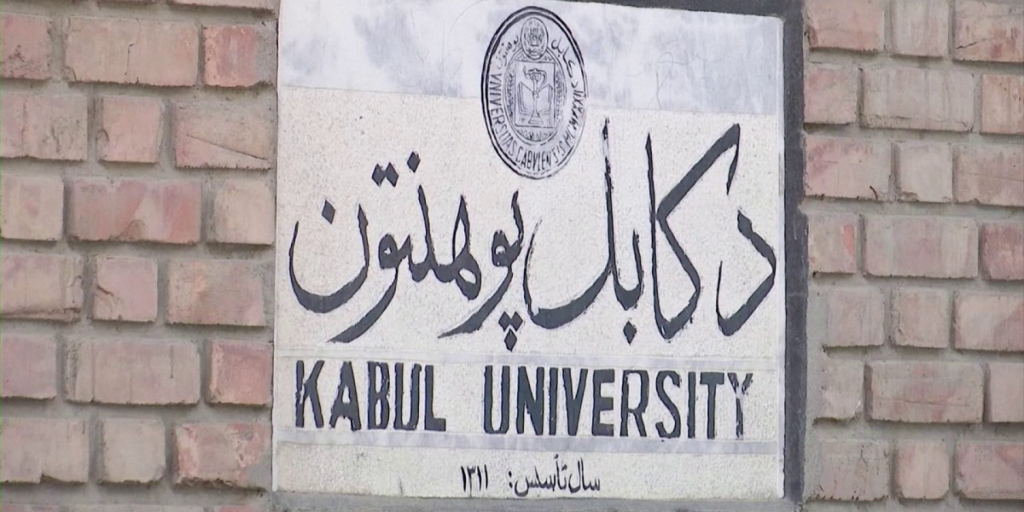
Afghanistan, with its rich historical and intellectual heritage, now faces a critical moment where its scientific future requires careful attention and informed decision-making. Existing challenges in the country’s education system naturally impact scientific capacity, but alongside these obstacles lie valuable opportunities that can reshape the nation’s trajectory.
One key challenge is the limited access to education for certain segments of society, which has affected the country’s ability to produce scientific knowledge and train specialized professionals. Reopening educational opportunities for all groups could play a decisive role in rebuilding Afghanistan’s scientific base.
Another concern is the migration of elites and researchers, which has reduced the capabilities of universities. While this is a consequence of past conditions, experience shows that providing a stable and predictable environment for scientific work can reverse part of this trend and encourage the return of skilled professionals.
Despite these challenges, Afghanistan possesses significant strengths: a young and motivated population, active universities across provinces, hidden capacities in technology and vocational training, and a widespread enthusiasm for learning. These factors indicate that the country could achieve rapid scientific progress if pathways for education, research, and innovation are made accessible to everyone.
Collaborations with international scientific institutions, such as the Mustafa (PBUH) Science and Technology Foundation, can further strengthen research networks, facilitate knowledge transfer, and support talented youth. Such partnerships can bridge Afghanistan’s internal potential with regional scientific opportunities.
Scientific development in Afghanistan is not only an educational necessity but a strategic imperative for the country’s future. Expanding, inclusive, and sustainable educational and research environments will increase hope for progress and enhance the scientific capacity of future generations.
By leveraging its human resources and opening the doors of knowledge to all citizens, Afghanistan can achieve a prominent position within the Islamic world and the global scientific community. Its young population and abundant talent offer high potential for advancement in science and technology. Supporting researchers, fostering regional and international collaborations, and providing educational opportunities for all are essential steps to address the current gap in knowledge production and innovation, ultimately paving the way for sustainable national development.
Science is the bridge that can illuminate Afghanistan’s future.
By Sayed Ayoub Hussaini – DID Press Agency