Central Asia Replaces Pakistan as Afghanistan’s Main Wheat Source
DID Press: In a strategic policy shift, Taliban government has secured its national wheat supply from Central Asian countries instead of Pakistan — a move that reduces long-standing trade dependence and places the country’s food security on a more stable footing.
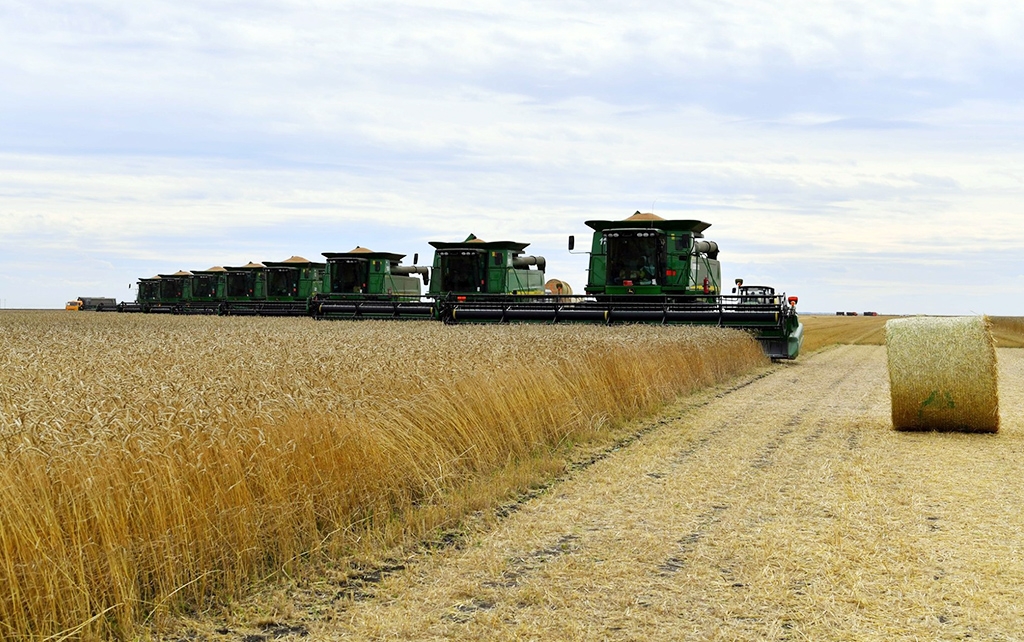
In what officials describe as a historic change in the country’s food-security policy, Afghanistan has ended its decades-long reliance on Pakistani wheat imports and shifted procurement to more stable Central Asian suppliers, including Uzbekistan and Kazakhstan. The decision follows repeated political tensions and trade disruptions between Kabul and Islamabad.
Official data show that Pakistan’s share of Afghanistan’s wheat and flour market has effectively fallen to zero. As recently as 2015, Pakistan exported more than $320 million worth of wheat to Afghanistan. Today, Afghanistan imports $689 million of wheat and flour from Uzbekistan, Kazakhstan, and Russia — countries viewed as more reliable both in quality and in supply continuity.
According to the Taliban’s National Statistics and Information Authority, domestic wheat production this year reached only 4.54 million tonnes, leaving a deficit of more than 2 million tonnes, which is primarily being filled through Central Asia. Drought, water scarcity, and dependence on rain-fed agriculture remain the main drivers of reduced local output.
Economists say this strategic shift not only strengthens Afghanistan’s food security but also reduces Pakistan’s political leverage in bilateral trade and protects the Afghan wheat market from the instability caused by excessive reliance on a single supplier.
Parallel to this policy change, the major Qosh-Tepa Canal project is expected to modernize irrigation systems, increase agricultural output, and — if successful — potentially transform Afghanistan into a future wheat exporter.
Trade data also indicate a sharp drop in Afghanistan-Pakistan commerce: bilateral trade has decreased from $2.5 billion to roughly $1 billion over the past year. Pakistan’s main imports now include wheat, rice, and sugar, while Afghanistan exports cotton, raisins, and other agricultural and industrial goods.