Dual Impact of the Kabul–Islamabad Trade Halt: Who Really Wins?
DID Press: Taliban’s efforts to diversify Afghanistan’s trade routes and reduce dependence on Pakistan may prove beneficial in the long run, but fully replacing the Pakistan corridor in the short term is unrealistic and carries significant economic costs for both countries’ markets and citizens.
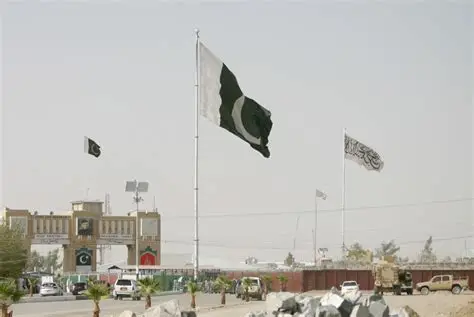
The closure of Pakistan’s border crossings with Afghanistan—implemented amid political and security tensions between Islamabad and the Taliban—has become one of the most pressing regional and economic issues. The unilateral move has disrupted normal trade flows and created notable consequences for both sides. Although the Taliban’s Ministry of Finance insists that Afghanistan’s trade continues smoothly through alternative routes, economic and logistical realities show that the impact of the border closures is complex and felt on both ends.
Afghanistan has long relied on Pakistan’s trade corridors. Crossings such as Torkham and Spin Boldak served as primary entry points for essential goods including food, construction materials and medicine. Karachi Port has also been central to Afghanistan’s foreign trade. Thus, even with alternative routes operating, shutting down Pakistan’s borders has naturally led to higher costs, slower movement of goods and reduced access to key imports in the short term.
Taliban officials claim that trade through Iran and Central Asia continues without disruption and that customs revenues have not declined. However, these alternative routes have limited capacity and, according to traders, are more expensive and less practical for large-volume or perishable goods, requiring additional logistical coordination. Meanwhile, the Taliban’s decision to ban all pharmaceutical imports from Pakistan within the next three months is expected to increase pressure on Afghanistan’s health sector, potentially raising medicine prices and limiting availability.
Pakistan, too, has incurred losses from the closures. Afghanistan was one of Pakistan’s major export markets, and many traders, manufacturers and transport companies relied heavily on commerce with Kabul. The shutdown has stranded thousands of trucks, caused spoilage of export goods, reduced customs revenue, and pushed border markets in Khyber Pakhtunkhwa and Balochistan into economic slowdown. Afghanistan also serves as a crucial transit route for Pakistan to Central Asia; disrupting this corridor limits Islamabad’s regional transit opportunities and carries broader economic consequences.
The current situation therefore cannot be characterized as a win for either side. Both countries have suffered economically from the halt in trade, and prolonging the closures will intensify the financial strain. While the Taliban’s strategy of diversifying trade routes is potentially beneficial in the long term, fully substituting Pakistan’s corridor in the short term is impractical and imposes real economic costs on both nations.
In the end, experience shows that Afghanistan–Pakistan trade has historically acted more as a stabilizing force than a reflection of political tensions. Even temporary border closures impose significant costs on both sides—costs that grow heavier over time. Reopening the crossings while simultaneously developing alternative routes would benefit both economies and, more importantly, the people who depend on these trade links for access to essential goods.
Overall, the halt in Kabul–Islamabad trade has no clear winner; its losses are shared. Politics and security matter, but economic realities and public needs make clear that the sustainable solution lies in reopening borders while expanding alternative trade routes—a dual approach that can ease economic pressure and support regional trade stability.
By: Sulaiman Saber – DID News Agency