Structural Violence against Afghanistan Women: Re-Reading Forgotten Crisis
DID Press: On the International Day for the Elimination of Violence Against Women, Afghanistan presents a stark image of structural violence, organized deprivation, and the systematic erasure of women from social, economic, and educational life—an ongoing crisis that, amid global silence and forgetfulness, is slowly dragging the future of an entire generation into darkness.
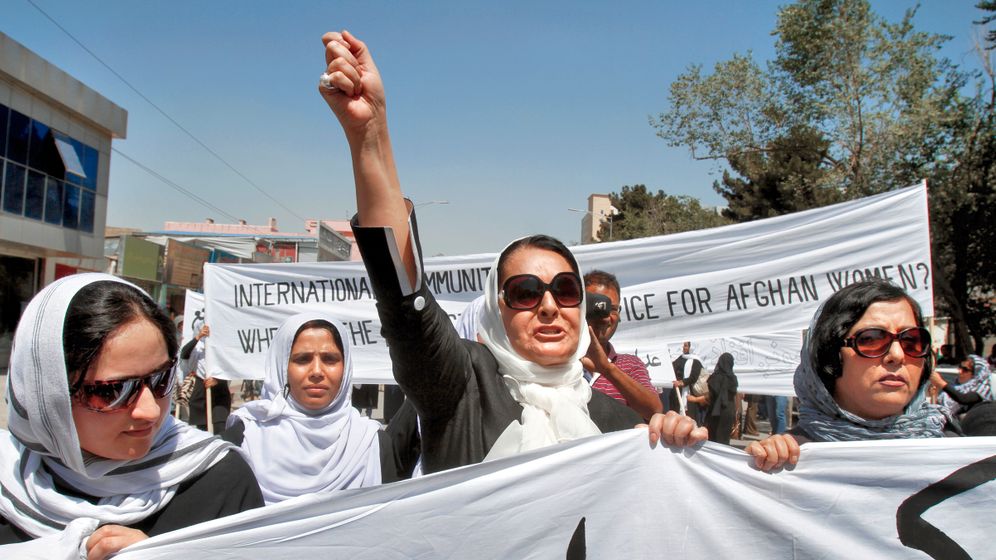
As the world marks this day, Afghanistan faces one of the most profound and complex legal and humanitarian crises of the contemporary era. Violence against women in our country is no longer an individual or domestic act—it has become a structure: a structure built on unwritten rules and formal restrictions, on shuttered schools and exclusion from the workforce, placing women under an unprecedented siege. What is unfolding in Afghanistan today is a forgotten crisis—one whose consequences threaten not only women, but the future of the entire society.
1) Systematic Violence and Denial of Fundamental Rights
Following recent political developments, Afghanistan women have been deprived of their most basic rights. The ban on secondary and higher education for girls, severe restrictions on women’s employment in public and private institutions, the prohibition on women working with aid organizations, and limits on their social presence together form a clear picture of a pattern of systematic violence.
Systematic violence means the quiet but structural destruction of human potential—a form of harm rooted not in moments of anger but in ideological beliefs and tribal regulations, turning daily life for women into a suffocating confinement. Denying women access to education and work has deprived millions of personal development and social participation, transforming the gender gap into a generational divide.
2) The Rise of Domestic Violence Amid the Collapse of Support Systems
The shutdown of support services, closure of shelters, and restrictions on NGOs have intensified cycles of domestic violence. Many women are unable even to report abuse because no safe, reliable, or risk-free channels exist. Existing judicial structures often fail to respond and frequently operate with patriarchal bias, leaving survivors discouraged from seeking justice.
The removal of women from the workforce and their increased financial dependency have further contributed to domestic violence. In households where women once contributed income, employment bans have created economic pressures that fuel domestic tensions. In environments lacking supervision and support, these cycles of violence rapidly reproduce themselves.
3) Social and Generational Consequences of Violence
Violence against women in Afghanistan not only destroys individual lives but also casts long shadows on the country’s future. Excluding girls from education leaves future generations vulnerable to poverty, unemployment, and skill deprivation. Child marriage, school dropout, and forced isolation inflict long-term harm on mental health, social participation, and economic capacity.
At the societal level, removing women from public life means abandoning half of the country’s human capital. No society can achieve sustainable development without women’s participation. Their absence from economics, politics, culture, and education leads to lower productivity, social stagnation, and a narrowing of Afghanistan’s international prospects.
4) Deadlock in Justice and a Culture of Impunity
One of the most critical challenges for Afghan women is the lack of access to justice. Reporting violence exposes many to social, familial, and legal threats. In the absence of independent and accountable courts, filing complaints not only fails to provide a solution but may itself become a threat to women’s safety. This environment reinforces impunity and paves the way for repeated abuses.
5) Multi-Layered Solutions to Overcome the Crisis
Addressing violence against women in Afghanistan requires a strategic, multi-layered, and intelligent approach:
Rebuilding covert support networks to provide psychosocial and legal assistance safely and discreetly.
Investing in digital and remote education as the only remaining path to prevent the complete exclusion of girls from schooling.
Applying targeted diplomatic pressure by the international community within a human-rights framework focused on accountability for systematic violations.
Strengthening the underground civil society that, despite restrictions, continues to shoulder part of the burden of supporting women.
Conclusion
For Afghanistan, the International Day for the Elimination of Violence Against Women is more than a symbolic occasion; it is an alarm bell warning of a system of violence built through regulations, restrictions, and organized deprivation. The crisis facing Afghan women is neither individual nor temporary—it is a threat to development, stability, and the future. Until the fundamental rights of women are guaranteed, no sustainable path to peace, progress, or hope in this country can be envisioned.
By Dr. Fatema Hussaini — DID Press Agency