Pakistan Airstrikes on Khost: Diplomatic Deadlock and Cycle of Violence
DID Press: Pakistan, seeing itself in a position of military superiority, has used airstrikes in eastern Afghanistan to advance its geopolitical objectives. The recent attacks may send an implicit message to the Taliban that Islamabad is unwilling to resolve the Afghan issue without guarantees for its own interests.
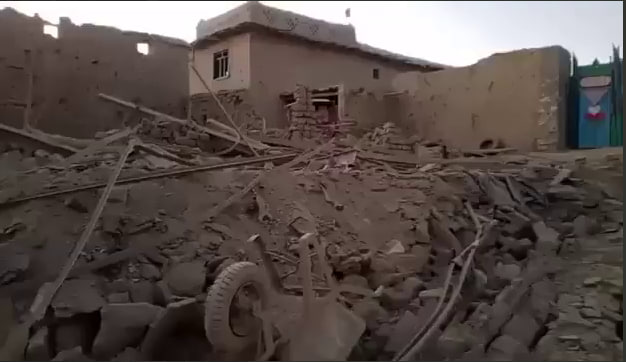
The latest airstrikes on the Gurbuz district of Khost province have once again imposed a heavy toll on Afghan civilians. Zabihullah Mujahid, spokesperson for the Taliban, reported that ten civilians, including nine children and one woman, were killed. Pakistani forces also targeted Kunar and Paktika provinces. These incidents occur amid stalled negotiations in Istanbul and a sharply tense diplomatic climate between Kabul and Islamabad.
For a long time, Islamabad has attacked border regions of Afghanistan under the pretext of targeting Tehrik-i-Taliban Pakistan fighters. However, these actions appear more as a show of military strength and political pressure than as a genuine security strategy. Pakistan, confident in its military superiority, uses this leverage to push its geopolitical agenda. The recent attacks may implicitly signal to the Taliban that Islamabad will not close the Afghan file without securing its interests.
Meanwhile, Kabul’s suspension of trade with Pakistan and deepening economic and diplomatic ties with New Delhi have added fresh wounds to bilateral relations. These developments place Pakistan in a defensive position, with military actions seemingly serving as a response to economic and political restrictions. Afghanistan, for its part, faces serious challenges, as limited military capacity and international isolation constrain the Taliban’s ability to respond.
Ultimately, ordinary civilians bear the brunt of these tensions. Families living along the border are caught in the crossfire, while Afghan migrants in Pakistan face increasing pressures and insecurity. This situation highlights how power struggles between states often make noncombatants the primary victims, and failed diplomacy paves the way for endless violence.
The only path out of this destructive cycle is a return to negotiation tables that prioritize Afghanistan’s national interests, coupled with increased international pressure on Pakistan. The global community must compel Islamabad to respect Afghan sovereignty and halt unilateral military operations. Continuation of these attacks not only threatens regional stability but also undermines the trust needed for constructive dialogue.
At this critical juncture, Afghanistan requires a comprehensive strategy that protects national sovereignty while keeping diplomatic channels open. Only through this approach can the cycle of violence be broken and a safer future for border communities ensured.
By Rahmatullah Enayati – DID Press Agency