Iran-Afghanistan Economic Ties Pave Way for Regional Development
DID Press: The recent visit of Gholamhossein Mozafari, Governor of Khorasan Razavi, to Herat province, leading a 65-member high-level economic delegation primarily from the private sector, highlighted the significance of economic exchanges between Iran and Afghanistan. The main focus of this trip was on transport, trade, and infrastructure issues, which have long shaped bilateral commerce and have the potential to reduce poverty and create employment in Afghanistan.
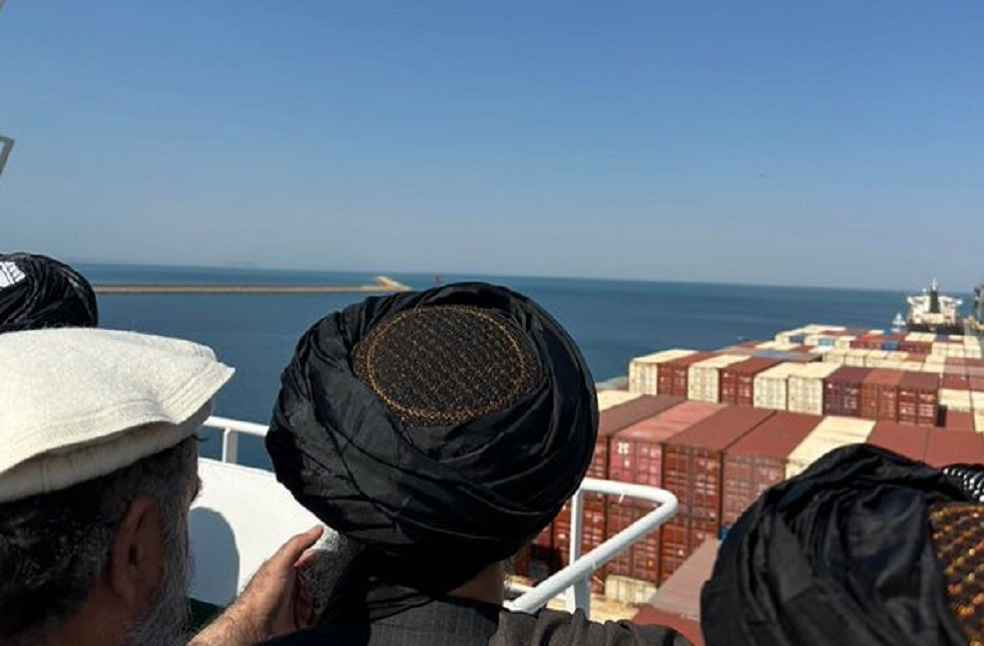
The Dogharun border, one of the busiest and most critical transit routes between Iran and Afghanistan, still requires road upgrades and faster rail connections to Herat. During his visit, the governor emphasized the need to establish multiple transit routes, streamline commercial traffic, and increase the border’s daily capacity to 2,000 trucks. These measures, particularly given Afghanistan’s limited infrastructure, could facilitate trade and double economic opportunities.
Following Up on Previous Agreements and Leveraging Iran’s Capacities
A key point is the emphasis on implementing prior economic cooperation agreements, including facilitating imports and exports, joint investment in agriculture and industry, and developing border infrastructure. To achieve these goals, the Afghan government must remove obstacles and enable proper execution of agreements. This would not only strengthen the confidence of traders and investors but also pave the way for sustainable economic collaboration.
One of the major strengths of this cooperation lies in Iran’s vast economic capacities. Iran can play a crucial role in Afghanistan’s economic development through technology transfer, logistics infrastructure development, investment, and participation in industrial and agricultural projects. In agriculture, establishing joint agricultural corporations and cultivating strategic crops like oilseeds, soy, and cotton could meet both countries’ needs. In industry, leveraging light and medium industries, and in energy, investing in solar and wind power, are practical examples of economic collaboration that could invigorate Afghanistan’s economy.
However, maximizing the benefits of Iran’s capabilities requires the Taliban to adopt a constructive cultural and social approach toward their western neighbor. Positive engagement, respect for cultural differences, and pursuing policies of economic integration are prerequisites for fully utilizing Iran’s economic and infrastructural capacities. Without this constructive approach, potential economic opportunities may remain limited, reducing the impact of cooperation.
The visit also demonstrated that economy and culture can simultaneously underpin regional stability and development. Visits to the Great Mosque of Herat and the shrine of Khwaja Abdullah Ansari, shared cultural and civilizational heritage sites, remind both countries of their deep historical ties. The implicit message is that successful economic cooperation will be sustainable only when accompanied by mutual cultural and social understanding.
Ultimately, economic exchanges between Iran and Afghanistan can be the key to sustainable development, poverty reduction, and employment growth in Afghanistan, while simultaneously enhancing Iran’s regional trade capacity. Ongoing engagement, implementation of previous agreements, removal of obstacles by the Taliban government, and smart utilization of Iran’s capacities will pave the way for sustainable economic and social integration along the shared borders. This visit and associated initiatives exemplify the active role of economic and regional diplomacy in solving economic and social challenges for neighboring countries and could serve as a model for cooperative and sustainable development in other border regions.
By Solaiman Saber – DID Press Agency