Terrorism Casts Shadow Over Emerging Kabul–Dushanbe Diplomacy
DID Press: What threatens Central Asia today is not only terrorism, but also the fragility of relations among regional states. Shamsuddin Shahin incident reflects a bitter reality: the path toward security and development remains rough and perilous.
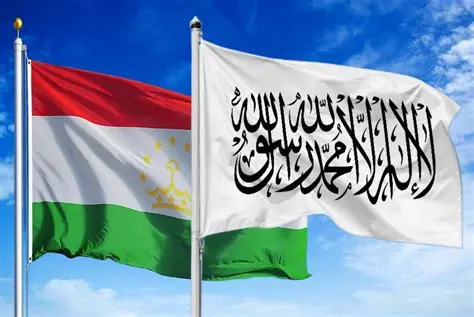
The deadly attack in Shamsuddin Shahin district of Tajikistan’s Khatlon province, which killed three Chinese nationals, is more than a grim reminder of cross-border insecurity. It is also a sign of a wider geopolitical struggle fueled by actors seeking to sabotage the region’s growing diplomatic engagement.
The attack—carried out last Wednesday (November 25) using an explosive device embedded in a drone—goes beyond a typical terrorist strike. It is widely interpreted as a direct threat to the recent warming of relations between Kabul and Dushanbe. The Taliban, while condemning the attack, blamed unspecified “circles” attempting to spread chaos and distrust among regional states—an ambiguous yet notable remark in light of recent developments.
Tajikistan, which for years viewed Taliban rule as a direct threat to Central Asia, had recently taken steps toward diplomatic engagement. Security delegations from Dushanbe traveled to Kabul, the Taliban governor of Balkh met with Tajik intelligence officials, and a Badakhshan delegation visited Tajikistan—all signs of gradual de-escalation.
But the Shamsuddin Shahin attack struck at a critical moment, as if an unseen hand intends to sever this fragile thread of diplomacy. Tajik President Emomali Rahmon, following the incident, emphasized the need to “strengthen border security” during a CSTO meeting—a phrase that now carries new weight.
This incident occurs amid a sensitive political context. The global campaign portraying Afghanistan as a “terror hub” gains renewed momentum from such attacks. Groups like Islamic State–Khorasan, active around Afghanistan’s borders, could easily carry out such operations. Yet the key question remains: are these groups acting solely out of ideology, or are they instruments of larger powers that benefit from regional instability?
For decades, the Tajik–Afghan border has been a corridor for smugglers and militants, but the timing of this attack raises questions beyond conventional explanations.
China, whose three nationals were killed, is monitoring the situation closely. With major investments across the region, Beijing cannot ignore threats to its citizens. The Taliban, offering “full cooperation” and intelligence sharing, is trying to demonstrate responsibility—but statements of condemnation are not enough. The region needs concrete action, sustainable security mechanisms, and genuine confidence-building.
What endangers Central Asia today is not merely terrorism, but the vulnerability of political relationships. The Shamsuddin Shahin attack is a mirror reflecting this harsh truth. The road to stability is uncertain and full of risks. Yet there is no alternative but to strengthen diplomacy, expand intelligence cooperation, and resist the actors who thrive on chaos.
The region’s future depends on whether countries can maintain the momentum of cooperation—or whether the blood of innocents will build new walls of distrust.
By Ahmad Zaki Navisa – DID Press Agency