Pakistan’s ‘Quiet Coup’: Military Tightens Grip on Power
DID Press: Foreign Affairs contributor Mehreen Zahra Malik writes that although Pakistan has not experienced an open or operational military coup, the country is now under a form of military rule wrapped in the appearance of a “democratic system.” Despite having a nominally civilian government, Pakistan’s military commanders effectively hold the real power.
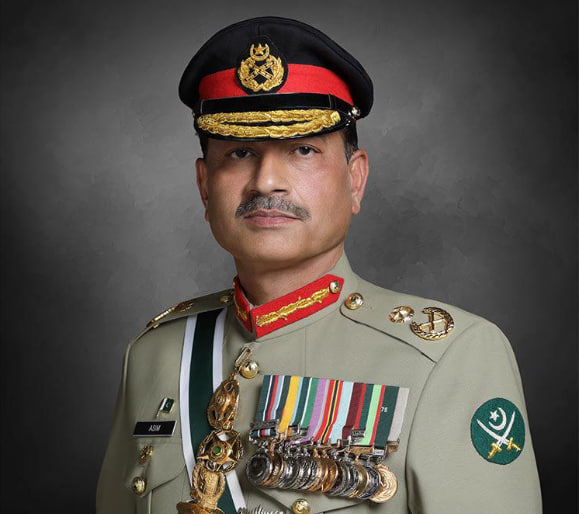
According to the article, General Asim Munir, Pakistan’s army chief, has become the central figure in the country’s political, economic, and diplomatic decision-making. The military is no longer operating behind the scenes — it is openly integrated into governance and plays the pivotal role.
In November 2025, Pakistan’s parliament passed constitutional amendments — including the 27th Amendment — which restructured the system by creating the post of Chief of Defence Forces (CDF). This position holds command authority over all branches of the armed forces. The CDF has also been granted legal immunity and eligibility for extended tenure, effectively institutionalizing military governance.
With these changes, civilian institutions — the parliament, the civilian government, and political parties — have become largely symbolic. In practice, real authority lies with the army and its chief.
Supporters of the new model argue that it has restored “stability,” improved “rapid decision-making” and “coordination,” and paved the way for foreign investment, fresh diplomatic engagements, and revival of the country’s unstable economy.
But critics warn that this “quiet coup” has weakened civilian institutions, removed legal oversight, concentrated power, and created a “military-quasi-dictatorship.” Parliament has become largely ceremonial, and the civilian government now operates under the dominance of the military.