Russia Signals Strategic, Security-Focused Engagement with Taliban
DID Press: Kremlin emphasized that Russia’s decision to deepen ties with the Taliban is driven less by political alignment and more by the need to manage potential security threats in its southern neighborhood. Moscow is concerned about rising extremist activity, drug trafficking, and the influence of other foreign powers in Afghanistan.
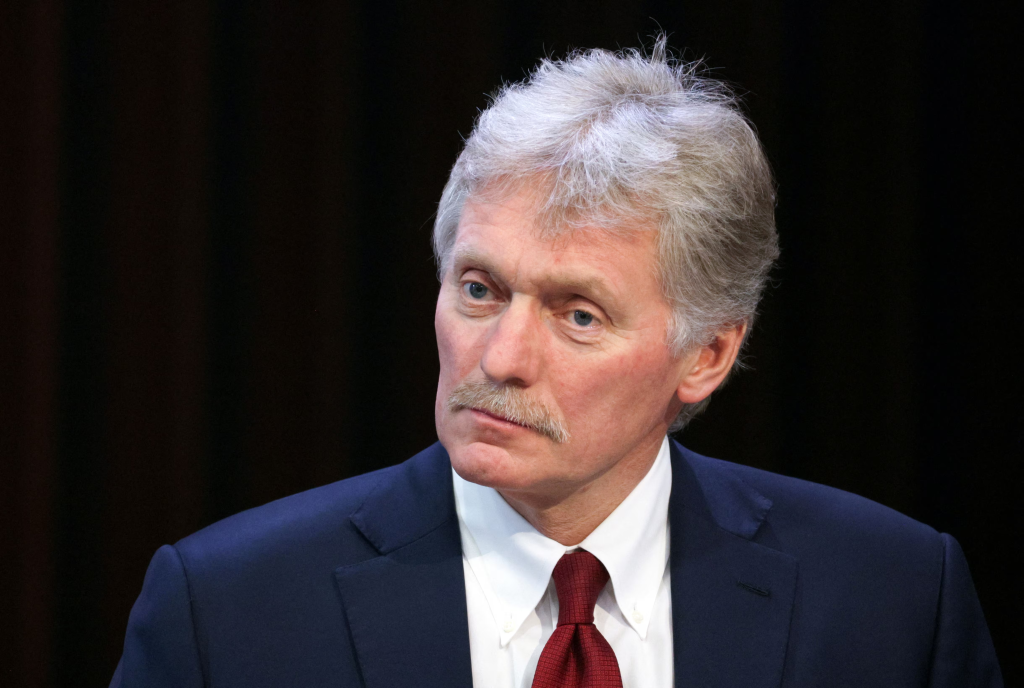
Dmitry Peskov, spokesperson for the Russian presidency, recently said that Moscow will continue expanding its engagement with Afghanistan. He highlighted Afghanistan’s regional importance, its shared borders with Tajikistan and other Central Asian states, and the presence of Russian border forces as factors necessitating ongoing dialogue with Kabul. Analysts interpret these statements as signaling a pragmatic Russian policy aimed at stabilizing the region rather than forming a political alliance.
Economic Ties and Interdependence: Gas, Fuel, and Trade
Economic relations between Russia and Afghanistan have grown in recent years. Russian exports of liquefied gas and fuel to Afghanistan reached around 70,000 tons in 2024 and 2025, representing a 50% increase over the previous year. Bilateral trade in 2024 was estimated at $323 million, largely consisting of Afghan imports from Russia, while Afghan exports to Russia remain limited to dried fruits, nuts, and certain minerals.
This economic relationship meets Afghanistan’s basic needs while allowing Moscow to strengthen influence through economic dependency. The 2025 Afghanistan-Russia Trade Forum and signing of joint investment and transit agreements indicate both parties’ commitment to expanding economic and infrastructure cooperation. Labor migration programs for Afghan workers in agriculture and animal husbandry also reinforce mutual dependency.
Security and Geopolitics: Managing Threats and Russian Influence in Central Asia
From a security perspective, Russia views Afghanistan as a key country in Central Asia. Cooperation focuses on border security, counterterrorism, and combating drug trafficking. Peskov emphasized that engagement with the Taliban helps Russia manage potential threats and prevent security vacuums along its southern borders and neighboring states.
International reactions add significance to these developments. The U.S. is concerned that Russia-Taliban ties may strengthen non-Western legitimacy in Afghanistan, reducing reliance on Western-led democratization and aid conditionality. China, prioritizing economic stability and Central Asian connectivity through the Belt and Road Initiative, welcomes the engagement but has not formally recognized the Taliban. Central Asian states face a complex situation; some, like Tajikistan, express security concerns, while others, like Uzbekistan and Turkmenistan, may exploit limited economic opportunities.
Peskov’s statements, alongside economic and security developments, show that Russia is pursuing a pragmatic and controlled approach toward the Taliban. Moscow’s goal is not political alignment, but regional threat management and relative stability in Central Asia. Economic cooperation and security collaboration help Russia consolidate its position in Afghanistan while limiting strategic rivals’ influence.
Overall, these developments reflect Russia’s long-term strategy to secure influence and manage regional threats in Central Asia—a policy with significant implications for the Taliban, regional actors, and global powers.
By Sulaiman Saber – DID Press Agency