UN Rights Expert Concludes Qatar Mission: “World Must Not Abandon Afghanistan”
DID Press: Richard Bennett, the UN Special Rapporteur on human rights in Afghanistan, who concluded his four-day visit to Qatar (December 1–4, 2025) warned in a statement that the human rights situation in Afghanistan “requires serious and sustained attention” from the international community and that countries should “not leave Afghans alone.”
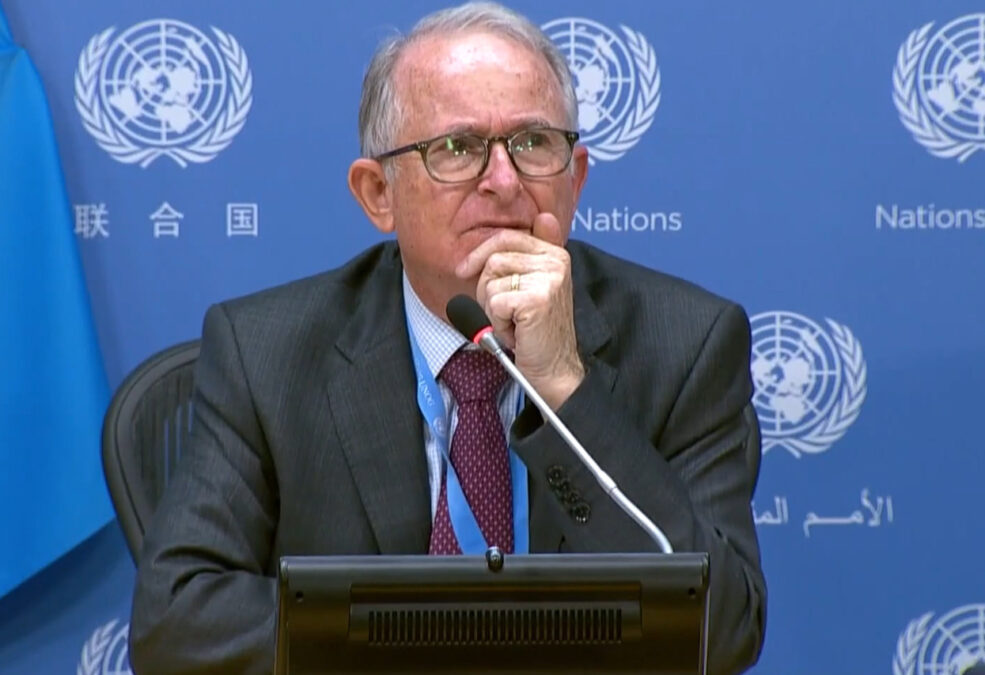
In his final statement at the end of the mission, Bennett expressed appreciation for Qatar’s “broad and continuous support” in areas of education, health, humanitarian aid, and poverty reduction, calling the country’s role in facilitating peace processes “commendable and vital.” “Qatar’s commitment to gender equality and raising human rights concerns with the Taliban is a critical measure,” he said.
During meetings with Qatari officials, representatives of the international community, Afghan activists, and students of the American University of Afghanistan, he emphasized the need for countries to maintain “principled adherence” in dealing with the Taliban. “Only by insisting on respect for human rights and responding to the voices of women and victims of abuses can a stable and inclusive Afghanistan be achieved,” he added.
Bennett highlighted the timing of his visit coinciding with the “16 Days of Activism Against Gender-Based Violence” campaign and described the situation of Afghan women and girls as “one of the most concerning human rights crises in the world.” “Women and girls are denied education and work, lack access to healthcare and justice, and there are shocking reports of severe violence, including the suspicious death of a young girl in Kabul,” he warned, calling for “immediate and independent investigations” into these cases.
The Special Rapporteur also referred to the recent public execution of a murder suspect in Khost, saying, “Execution is a cruel, inhuman, and degrading punishment, especially when justice has not been observed. Using a child to carry out an execution is shocking and unacceptable.”
Another concern he raised was the return of Afghans from Pakistan and Iran. “Afghanistan is not safe for many Afghans, especially women, minorities, activists, and those who worked with the previous government or foreign forces,” said Bennett, adding that forcibly returning these individuals violates the principle of non-refoulement.
He described the reduction in resettlement options as a “dangerous crisis,” noting that the complete halt of Afghan admissions by the United States and financial pressure from Germany forcing some individuals to withdraw from resettlement cases is “unacceptable; the international community must not abandon Afghans who need support.”
Bennett also highlighted the concerns of thousands of Hazara families in Ghazni about potentially losing their homes, emphasizing, “There is an urgent need for a fair judicial system, mechanisms for legal redress, and measures to prevent forced displacement.”
“The courage and determination of Afghans who fight for dignity and human rights is inspiring. We must not let them down,” he underlined.