DID Press: White House is trying to mediate a meeting between Israeli PM Benjamin Netanyahu and Egyptian President Abdel Fattah el-Sisi. U.S. officials note that the meeting is contingent upon Netanyahu agreeing to a strategic gas sale to Egypt and several other confidence-building measures, as relations between Tel Aviv and Cairo remain at their lowest point since the Gaza conflict.
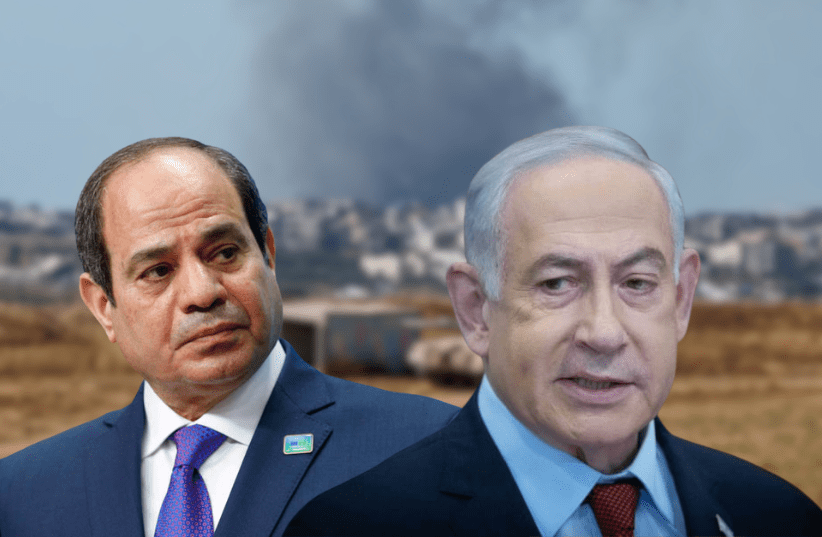
According to Axios, U.S. officials view the initiative as part of Washington’s broader effort to strengthen Israel’s ties with Arab nations through economic diplomacy. One official highlighted that gas sales to Egypt could foster mutual dependency, reinforce a “warm peace,” and prevent the outbreak of new conflicts.
The initiative complements other U.S. efforts aimed at enhancing Israel’s technology and energy relations with Arab countries, including Lebanon, Syria, and Saudi Arabia. These measures aim to reintegrate Israel into the regional diplomatic framework and revive the momentum of the Abraham Accords, alongside ongoing U.S. efforts to stabilize the Gaza ceasefire and advance the peace process.
Behind the scenes, Jared Kushner, f
senior advisor and son-in-law of President Donald Trump, reportedly urged Netanyahu to adopt a positive, economically focused approach in the region post-conflict, rather than concentrating solely on security threats. According to a U.S. official, Kushner emphasized that countries such as Qatar, Saudi Arabia, and the UAE are sending economic delegations to Washington, and Israel should leverage its technology, energy, and natural resources for regional engagement.
Kushner proposed that Israel begin this approach with Egypt, which played a key role in brokering the Gaza ceasefire and facilitating the return of 27 of the 28 prisoners who had been killed. Despite Netanyahu’s willingness to meet with Sisi, Israeli and U.S. officials indicate that serious engagement has yet to occur, and Egypt’s president has so far expressed a lukewarm reception to the proposal. An Israeli source noted that “for the past two years, no significant strategic contact has taken place between the two countries.”