Afghan Opposition Forms New Consensus
DID Press: A broad spectrum of Afghan political parties and movements and jihadist groups formed a new consensus in a meeting which draw extensive reactions from media outlets and analysts. Many view it as the largest political consensus in recent years and a practical step toward forming a coherent political alternative and opening a path for future dialogue with the Taliban.
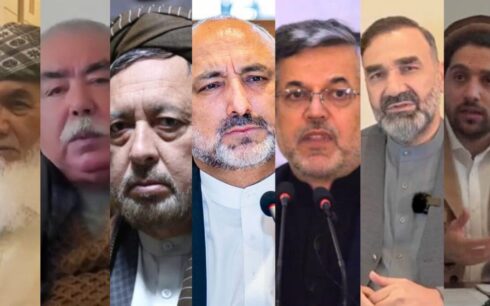
The summit, convened virtually on Tuesday, Dec 9, issued a joint declaration signed by leaders of political parties, movements, and jihadist organizations in Afghanistan, once again placing the issue of national consensus and the need to shape a legitimate political alternative for the country’s future at the center of public discussion.
The declaration stressed that the objective of this newly established coalition is “achieving sustainable peace and establishing a legitimate system within the framework of national Islamic culture and principles.” Participants also called on the Taliban authorities to join this path in order to initiate a genuine and inclusive political process. According to many observers, the event represents the largest political convergence since the fall of the republic in Afghanistan.
Domestic media outlets, as well as several Afghanistan-focused publications in Iran, provided extensive coverage of the summit. In their initial reactions, media highlighted statements by key figures at the event and examined the potential implications of this new consensus.
A number of Afghanistan activists and writers, in separate commentaries, discussed the importance of continuing such gatherings. In their view, a “consensus grounded in goodwill and broad participation” can pave the way out of the current crisis and inspire hope for future generations. They emphasized that the composition and structure of these meetings should be designed in a way that ensures all groups and segments of society feel genuinely included.
Afghan journalists and commentators described the “National Unity Coalition” as an expression of the collective will to emerge from the current predicament, stressing that its success depends on “continuity, sincerity, and effective management.”
The broad media and political reactions indicate that the National Unity Summit has evolved beyond a ceremonial event, becoming a serious factor in political calculations—an emerging consensus that, if maintained, could help open a new chapter in efforts concerning Afghanistan’s political future.