AfghanistanAnalysis & OpinionDevelopmentEconomyeducationElectionGovernmentPeacePoliticsSocietyWomen
Why Afghan Political Factions Reviving Calls for Unity
DID Press: Nearly four years after fragmentation, silence, and deep mistrust, Afghanistan’s political landscape is once again witnessing a push toward coalition-building. A joint statement from three major factions—the Supreme Council of National Resistance, the National Assembly for Salvation, and the National Movement for Peace and Justice—has revived a defining question: why now?
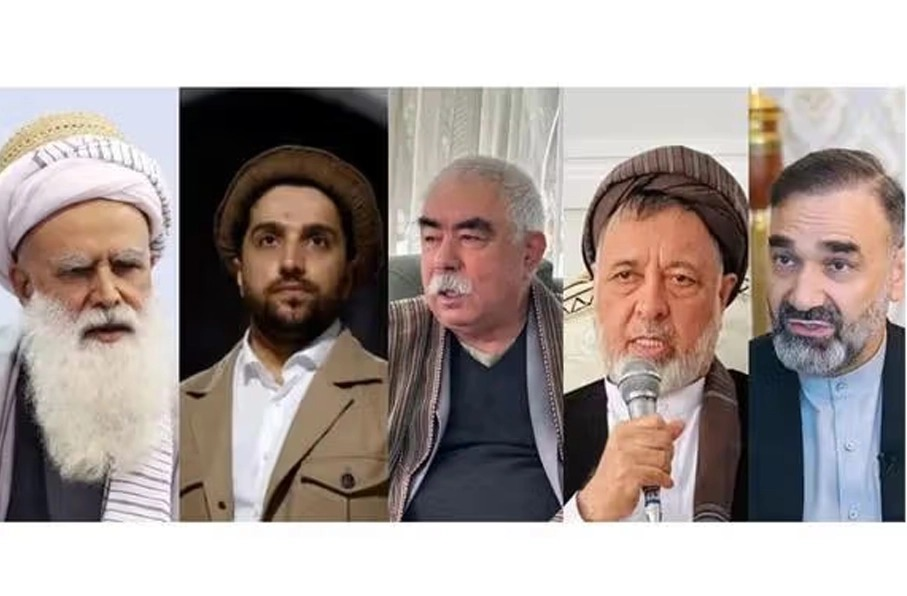
Analysts point to several developments:
- A political dead-end under Taliban rule
With no constitution, elections, or political space, opposition leaders have concluded that forming a unified bloc is the only remaining avenue to re-enter Afghanistan’s political future. - International calls for a coherent opposition
Regional and Western states have repeatedly told Afghan leaders that fragmented opposition groups cannot influence Taliban behavior or shape international policy. - Fear of deepening humanitarian crisis
Economic collapse, restrictions on women, and rising social tensions have created a sense of urgency among political leaders. - Taliban’s tightening monopoly on power
Political, ethnic, and social leaders fear total marginalization if they remain divided. - Regional geopolitics
Unity is seen as a way to avoid becoming pawns in the strategic games of neighboring states. - Rebuilding public legitimacy
Leaders aim to restore lost credibility by promoting shared principles such as human rights, women’s participation, and constitutional reform. - Fear of political irrelevance
Veteran leaders worry that new actors may replace them if they fail to adapt.
Whether this new alliance endures will depend on overcoming internal rivalries and forming a clear roadmap—challenges that have undermined past coalitions.