Islamic International Corridor: Russia’s Initiative to Link Afghanistan with Tatarstan
DID Press: A new logistics initiative titled the “Islamic International Corridor” has been launched by the Russian Trade Center in Afghanistan, aiming to connect Afghanistan to Russia’s transport and trade network through Tatarstan and Turkmenistan.
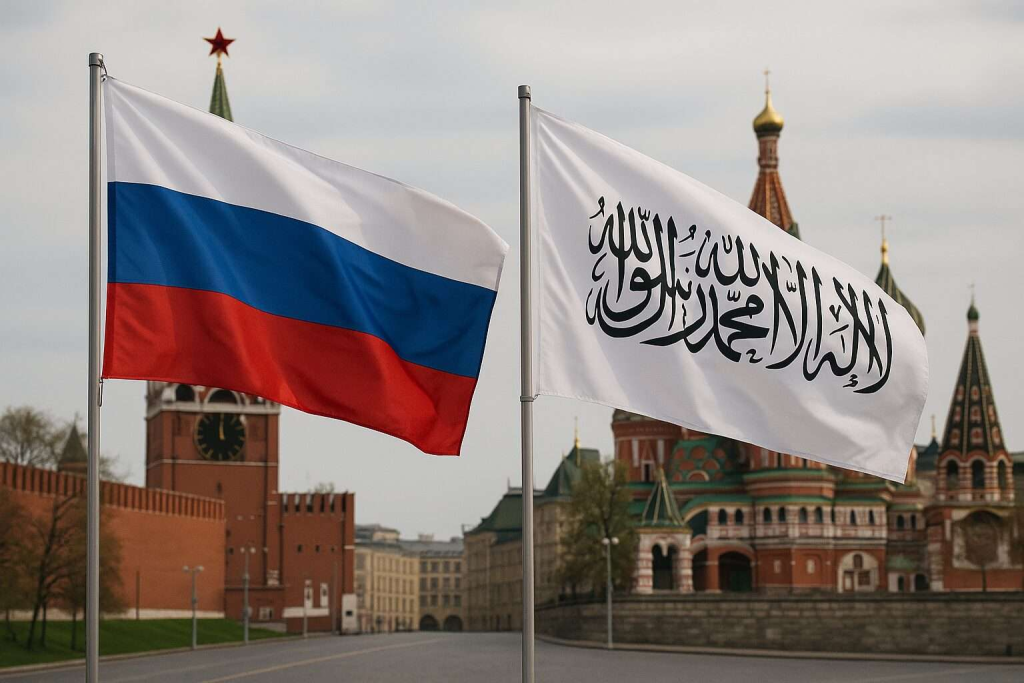
The Republic of Tatarstan has been designated as the starting point of the corridor, a project intended to strengthen trade and economic ties between Russia and Afghanistan while developing logistics infrastructure aligned with the Islamic economy.
According to available information, the corridor will begin in Tatarstan, pass through Russian territory, continue via Turkmenistan, and ultimately reach Afghanistan. Rustam Khabibullin, Head of the Russian Trade Center in Afghanistan, said the project’s working documents have already been prepared and that a tripartite agreement among the relevant parties is expected to be signed in the near future.
Khabibullin emphasized that the “Islamic Corridor” could become a key route for the transportation and exchange of halal goods. He added that in later stages, the project will not be limited to land transport, as river and maritime routes will also be developed to increase capacity and reduce costs.
The Russian official described the corridor as a cost-effective alternative route for expanding bilateral exports and imports, noting that Tatarstan possesses all the necessary infrastructure to support the project’s implementation.
According to officials, Russian exports to Afghanistan via this corridor are expected to include petroleum products, vegetable oils, flour, sugar, electrical equipment, oil and gas industry machinery, and vehicle spare parts.
Khabibullin noted that transportation costs along this route are projected to be lower than existing alternatives, significantly enhancing its economic appeal.
Economic analysts believe the launch of the Islamic International Corridor could not only deepen Russia–Afghanistan bilateral relations but also contribute to greater regional trade integration and strengthen Afghanistan’s linkage to emerging transit routes.
The project is also seen as part of a broader effort to define a more active role for Islamic logistics and economic frameworks in regional trade—an initiative that, if fully realized, could emerge as a new commercial artery in Central and South Asia.