DID Press: Amid rising border tensions with Afghanistan, Tajikistan is once again looking to Russia for security guarantees, as competition among Russia, China and the Taliban increasingly reshapes the security architecture of Central Asia, a Western think tank has warned.
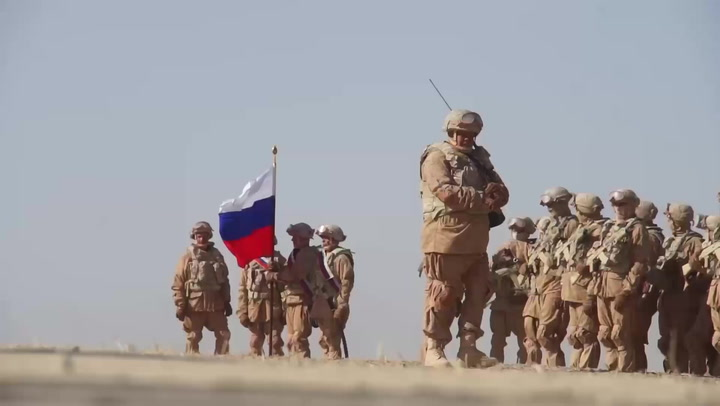
In a new analysis, the Lansing Institute says that since the Taliban’s return to power in 2021, Tajikistan has adopted the toughest stance toward Kabul among Central Asian states. President Emomali Rahmon has reinforced nationalist rhetoric and portrayed himself as a defender of ethnic Tajiks in northern Afghanistan, refusing to hand over Afghanistan’s embassy to the Taliban—a move the institute describes as symbolic but strategically significant.
The report notes that in 2025, a series of cross-border attacks, including assaults on Chinese-linked facilities in the Shamsiddin Shoqin and Shudki areas that killed Chinese nationals, marked a new phase of instability in northern Afghanistan and along Tajikistan’s borders.
Following the attacks, Dushanbe called on Beijing to pressure the Taliban, a request analysts say reflects China’s growing vulnerability due to the large number of its citizens involved in economic and infrastructure projects in Tajikistan.
Despite heightened tensions, political contacts between Tajikistan and the Taliban have not been severed, with what the institute describes as a form of “cold cooperation” continuing to contain the crisis. However, weak border control in northern Afghanistan and the autonomy of local commanders have added to security challenges.
According to the Lansing Institute, Tajikistan has asked Russia and the Collective Security Treaty Organization (CSTO) to conduct joint border patrols, and the possible redeployment of parts of Russia’s 201st military base to southern regions has been discussed.
Moscow, however, faces a difficult dilemma. While preoccupied with the war in Ukraine, the Kremlin is also reluctant to see its traditional role as Central Asia’s security guarantor diminished. The think tank warns that any Russian casualties could undermine Moscow’s regional credibility.
China, meanwhile, has emerged as a key player in Tajikistan, ranging from major infrastructure investments to the deployment of armed police to protect Chinese projects. After the recent border attacks, Beijing has demanded stronger security guarantees for its citizens but remains unwilling to launch large-scale cross-border military operations, preferring limited protection measures, intelligence sharing and training of local forces.
The institute concludes that Tajikistan is pursuing a form of “triangular diplomacy”: relying on Russia’s security umbrella, expanding economic cooperation with China, and maintaining minimal engagement with the Taliban. Analysts argue that the Tajikistan–Afghanistan border crisis represents a serious test for regional security mechanisms such as the CSTO and the Shanghai Cooperation Organization, and could permanently alter the balance of power in Central Asia in the post-US withdrawal era.