Afghan Migrant Women and Children: The Silent Suffering on Int’l Migrants Day
DID Press: December 18, International Migrants Day, offers a moment to reflect on the fate of millions of people who have been forced to leave their homes and homelands. Among the world’s many migration crises, the situation of Afghan migrants stands out as both distinct and deeply tragic—rooted in decades of war, insecurity, economic collapse and sweeping social restrictions, and increasingly marked by the neglect of its human dimension.
In recent years, particularly following major political changes, Afghanistan has faced multiple overlapping crises, ranging from widespread poverty and unemployment to the closure of educational and professional pathways, especially for women. In such circumstances, migration has not been a deliberate choice for many Afghans, but a last resort for survival.
Families have sold their few remaining possessions, withdrawn their children from school and embarked on dangerous migration routes with fragile hopes for safety and stability.
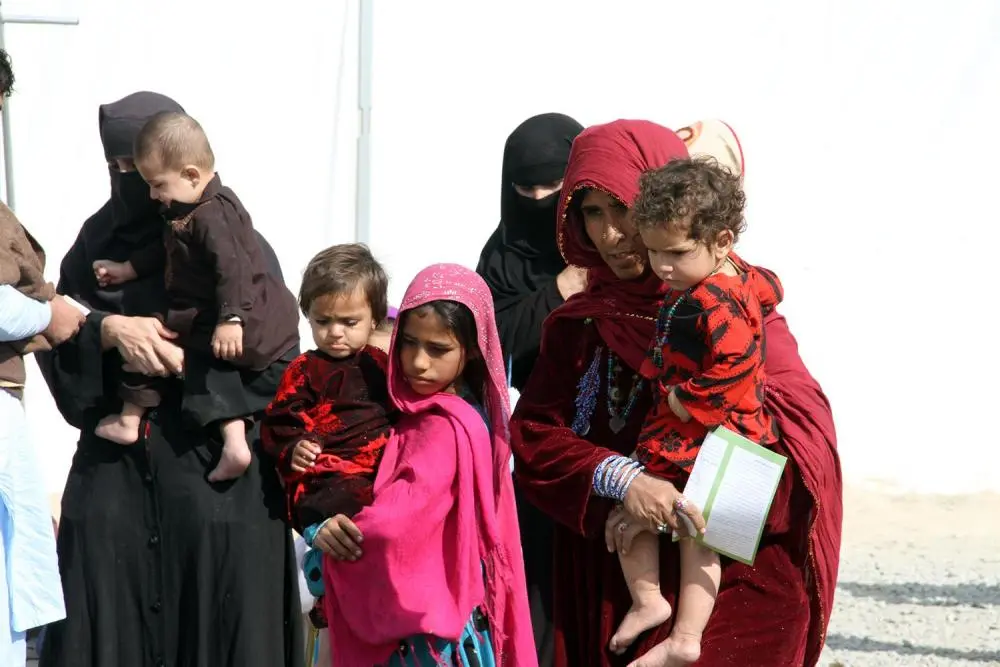
Women and children have borne the greatest burden of this displacement. Afghan women, already constrained by severe social and economic restrictions, often encounter discrimination, job insecurity and a lack of legal protection in host countries as well. Migrant children—whether traveling with their families or alone—face heightened risks of forced labor, exclusion from education, exploitation and long-term psychological harm.
A generation that could have helped shape Afghanistan’s future is instead being pushed to the margins of host societies, deprived of stable access to education and support, and gradually forgotten.
More alarming still is the recent rise in forced deportations of Afghan migrants from several countries. These returns are often carried out without adequate consideration of Afghanistan’s security, economic and humanitarian conditions. For many migrants, “return” does not mean going home, but confronting poverty, unemployment and insecurity once again—and for women, the reimposition of severe restrictions on personal and social life.
Such policies not only conflict with basic human rights principles, but also risk exacerbating regional instability.
International Migrants Day serves as a reminder that migration is not merely a statistical or security issue; it is fundamentally a human one. Afghan migrants should not be viewed as a “burden” or a “threat.” They are victims of circumstances largely beyond their control. Humane treatment, access to basic services, educational opportunities and legal protection are not privileges, but minimum rights.
Ultimately, responsibility for the plight of Afghan migrants does not rest solely with neighboring or host countries. The international community, global institutions and influential actors must play their part in addressing the root causes of migration, supporting displaced populations and preventing forced returns.
If the voices of Afghan migrants are ignored today, the cost of that indifference will not only be borne by them, but by the wider region and the world.
By Zahra Hussaini — DID Press Agency