Iran Pursues Cautious Diplomacy and Border Economic in Its Afghanistan Policy
DID Press: Iran’s policy toward Afghanistan reflects a pragmatic and cautious approach that seeks to balance political restraint with practical economic engagement, particularly along shared border regions. This strategy prioritizes border security, trade flows, and communication channels with Kabul, while avoiding formal political recognition of the Taliban-led government.
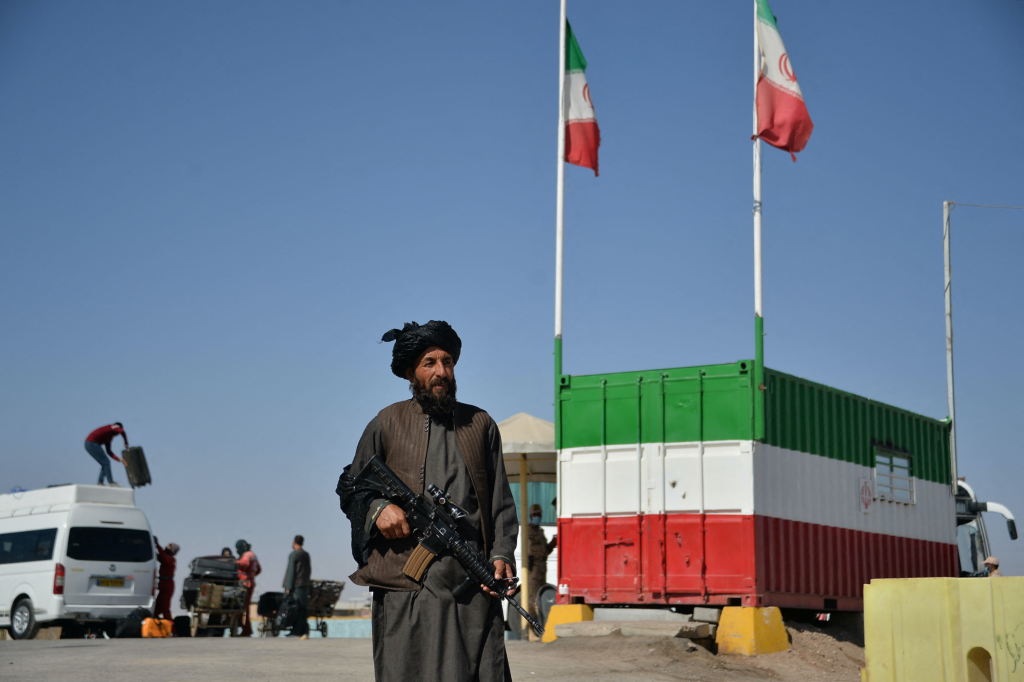
The recent visit of Iranian President Masoud Pezeshkian to South Khorasan province, which borders Afghanistan, underscored the growing importance Tehran places on cross-border cooperation. At the conclusion of the trip, Pezeshkian announced efforts to accelerate and strengthen interactions with Afghanistan in border areas, granting the governor of South Khorasan expanded authority to facilitate cooperation. The move signals an attempt to combine cautious diplomacy with hands-on border management.
From an economic perspective, Iran is seeking to expand its role in supplying goods and services to Afghanistan, particularly as Pakistan’s border closures and trade restrictions have limited Kabul’s access to regional markets. Increased Iranian exports could help sustain trade flows, support local economies in Iran’s eastern provinces, and contribute to regional stability through economic interdependence.
At the same time, bilateral relations remain complicated by political and legal disputes. One of the most sensitive issues is the long-standing disagreement over water rights from the Helmand River, which has repeatedly strained relations between Tehran and Kabul. Migration is another major concern, as Iran continues to host millions of Afghan migrants amid economic pressure and domestic debate.
Despite these challenges, Iran has kept its embassy in Kabul operational and maintains regular contacts with Afghan authorities. This approach reflects Tehran’s effort to preserve diplomatic and practical communication channels without formally recognizing the Taliban government.
Regionally, Iran has also pursued indirect diplomacy. A recent meeting involving Afghanistan’s neighboring countries and Russia took place without Taliban participation, highlighting Tehran’s reliance on alternative regional frameworks to manage Afghan-related issues and prevent escalation.
Overall, Iran’s strategy can be described as a blend of political caution and economic pragmatism. While Tehran maintains firm legal positions on sensitive matters such as water rights and migration, it simultaneously leverages border trade and regional cooperation to sustain influence and stability. The special focus on South Khorasan province and the delegation of expanded authority to its governor illustrate the importance Iran places on smart border management and localized economic engagement.
In the current environment, Iran’s interaction with Afghanistan remains constrained by political complexity and international pressure. Nevertheless, the emphasis on border governance, economic opportunity, and sustained diplomatic contact forms the core of Tehran’s approach, aimed at maintaining regional stability and safeguarding national interests amid ongoing uncertainty in Afghanistan.
By Sulaiman Saber – DID Press Agency