EU Moves Toward Restricting Social Media Access for Children and Teens
DID Press: Amid growing concerns over the psychological, social, and security impacts of social media on younger generations, several European countries—including France, Switzerland, and the United Kingdom—have announced plans to review or prepare measures aimed at restricting or banning children’s and teenagers’ access to social media platforms. This emerging trend, inspired in part by Australia’s recent policies, could evolve into a broader, coordinated European approach.
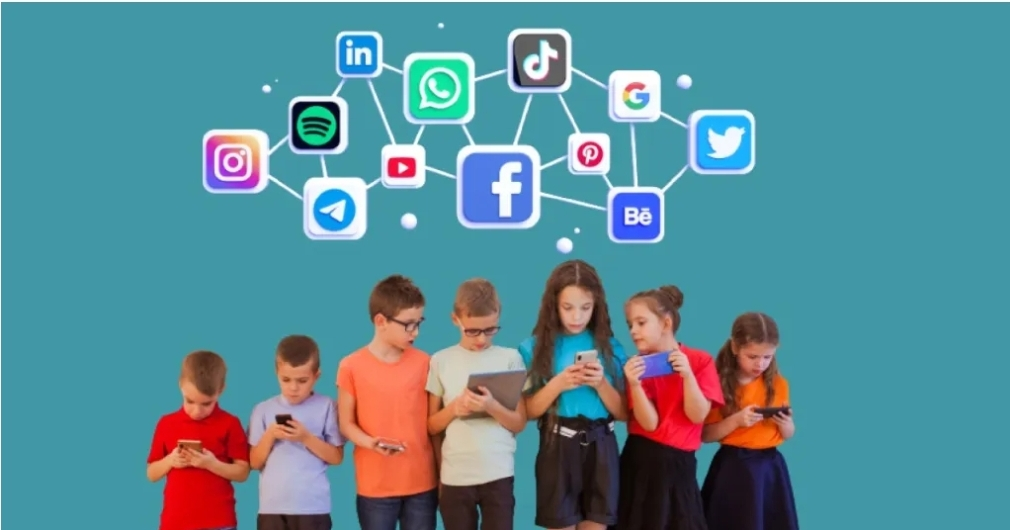
French government has announced that it is preparing legislation to ban individuals under the age of 15 from using social media. Authorities in Paris have emphasized that the bill will be designed in full compliance with European Union law, particularly the Digital Services Act (DSA), to avoid legal challenges at the EU level.
Clara Chappaz, France’s Minister for Artificial Intelligence and Digital Affairs, said the draft law will be concise and targeted, with a primary focus on establishing effective age-verification mechanisms and restricting children’s access to social media platforms. She noted that lessons have been learned from a similar law passed in July 2023, which failed to be implemented due to incompatibility with EU regulations.
In Switzerland, discussions around limiting children’s access to social media have also entered a more advanced stage. The Swiss interior minister has warned about the increasing risks that digital platforms pose to children and adolescents, arguing that Bern should consider stricter measures to protect this age group. Following Australia’s decision to ban social media use for individuals under 16, Swiss authorities are now assessing whether a comparable approach is necessary.
The United Kingdom is also evaluating a similar policy path. Prime Minister Keir Starmer has initiated a review of the possibility of banning social media use for those under 16—a move that could restrict access to platforms such as Facebook, Instagram, TikTok, Snapchat, and X. A government spokesperson acknowledged widespread parental concerns about the negative effects of social media on children, stating that the government recognizes these concerns and has already implemented some of the world’s strictest measures to ensure age-appropriate online content.
Taken together, these developments indicate that restricting social media access for children and teenagers is gradually becoming a shared policy priority across Europe. If aligned with EU legal frameworks, this trend could significantly reshape how younger generations engage with the digital world.