ISIS-K and Turkey’s Role: Logistics Hub, Transit Route, or Security Threat?
DID Press: The presence of ISIS-K networks in Turkey raises questions about the group’s ability to expand globally and increase cross-border threats, while also highlighting Turkey’s active security role in disrupting the group.
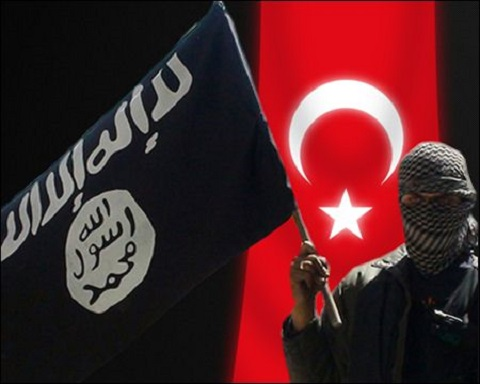
The recent arrest of “Muhammad Gören,” known as “Yahya” in ISIS-K, by Turkey’s National Intelligence Organization has drawn attention to Ankara’s role in the network. Turkey serves not only as a transit point for newly recruited fighters but also as a logistics and operational coordination hub for ISIS-K. The key question remains: is Turkey merely a transit route, or does it face a direct security threat from the group?
As of 2025, Afghanistan remains the main command center of ISIS-K, with leadership and strategic decisions made in areas of northern and eastern Afghanistan beyond full Taliban control. These territories allow ISIS-K to maintain training camps, operational bases, and plan urban and cross-border attacks. UN reports indicate that the group regularly transfers recruits from Central Asia and neighboring countries to Afghanistan to strengthen operations.
Pakistan plays a different role as a limited operational base and transit route. Temporary camps in low-governance and tribal areas facilitate movement and logistics, but Pakistani security forces and Taliban pressure prevent permanent ISIS-K presence.
Turkey, however, plays a distinct role as a logistics hub and connection point. Its geographic position, large Central Asian and Khorasani populations, and existing jihadist networks allow for recruitment, transit, and coordination between ISIS-K bases. New recruits—especially from Tajikistan and Uzbekistan—are gathered in Istanbul, trained, and then moved via transit routes to Iran and Afghanistan, forming a “Turkey transit line” that links Afghanistan to global ISIS networks.
Despite Turkey’s logistical importance, ISIS-K does not operate an independent command there. Key decisions remain in Afghanistan, and past experience shows that Turkey’s security operations and arrests prevent large-scale attacks inside the country. Nonetheless, Turkey enables ISIS-K to present itself as a transnational and multi-ethnic organization, connecting Central Asian, Arab, and Syrian fighters. Without Turkey, ISIS-K’s global links weaken, and Afghanistan becomes more isolated.
In summary, Afghanistan remains the operational and command center of ISIS-K, Pakistan serves as a transit and limited logistical route, and Turkey functions as a key logistics hub and transit line connecting Central Asia, Europe, and the Middle East to Afghanistan. While ISIS-K is not independent in Turkey, the country’s security measures can mitigate the group’s operations.
Today, ISIS-K represents a multi-dimensional threat—from Afghanistan’s operational base to cross-border routes and logistics networks in Turkey and Pakistan. Understanding these complex networks and the roles of third countries is essential for developing comprehensive strategies to counter the group.
By Ehsanullah Ghori – DID Press Agency