Washington Under Cloud of Anxiety: Why Netanyahu Turned to US
DID Press: Israeli PM Benjamin Netanyahu’s visit to Washington appears less a signal of readiness for war than an effort to manage a deepening crisis and repair strategic rifts. The stalemate in Gaza, erosion of domestic legitimacy and failure to achieve expected battlefield objectives have pushed Tel Aviv toward greater reliance on the United States.
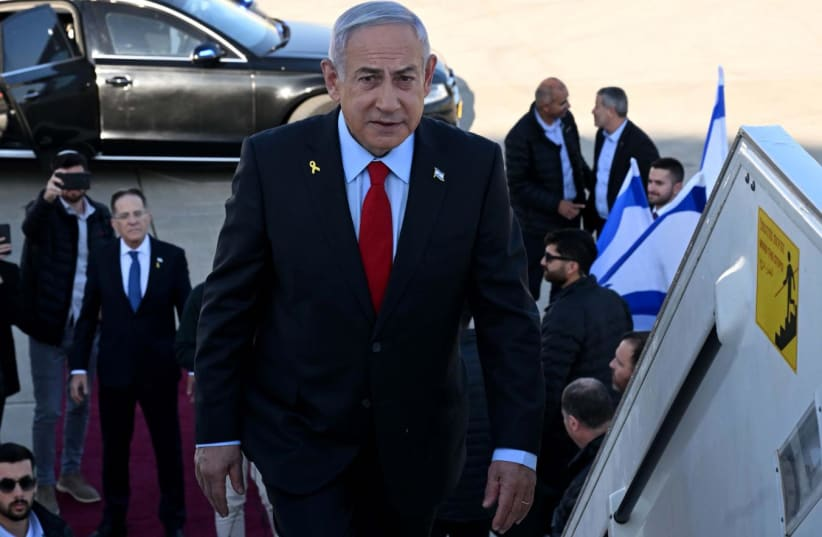
From Washington’s perspective, the priority is a controlled transition to the second phase of the ceasefire and stabilization of the status quo—a path that reduces security costs while creating space for a domestic political achievement. Within this framework, pressure on Iran is seen not as a prelude to war, but as a tool of political and psychological bargaining.
Israel’s strategy has increasingly relied on magnifying the Iranian threat, a narrative aimed at obscuring battlefield setbacks, rebuilding internal cohesion and securing continued US support. This narrative, however, is less grounded in realities on the ground than in the logic of cognitive and information warfare.
At the same time, field data—from military deterrence to technological advances—suggest claims of a “weakened Iran” do not align with current realities. It is, in fact, this fear of a shifting balance of power that has driven Netanyahu to Washington.
Overall, the visit reflects politics under anxiety rather than a display of strength: an attempt to contain the consequences of a new strategic reality in the region, not a projection of power.
By Zahra Forough