DID Press: Pakistan’s Dawn newspaper, in an editorial, wrote that while Sirajuddin Haqqani, the Taliban’s acting interior minister, claims Taliban-ruled Afghanistan poses no threat to any country and remains open to dialogue in good faith, but continued terrorist attacks inside Pakistan have rendered such assurances unconvincing for Islamabad and have deepened the rift between the two neighbors.
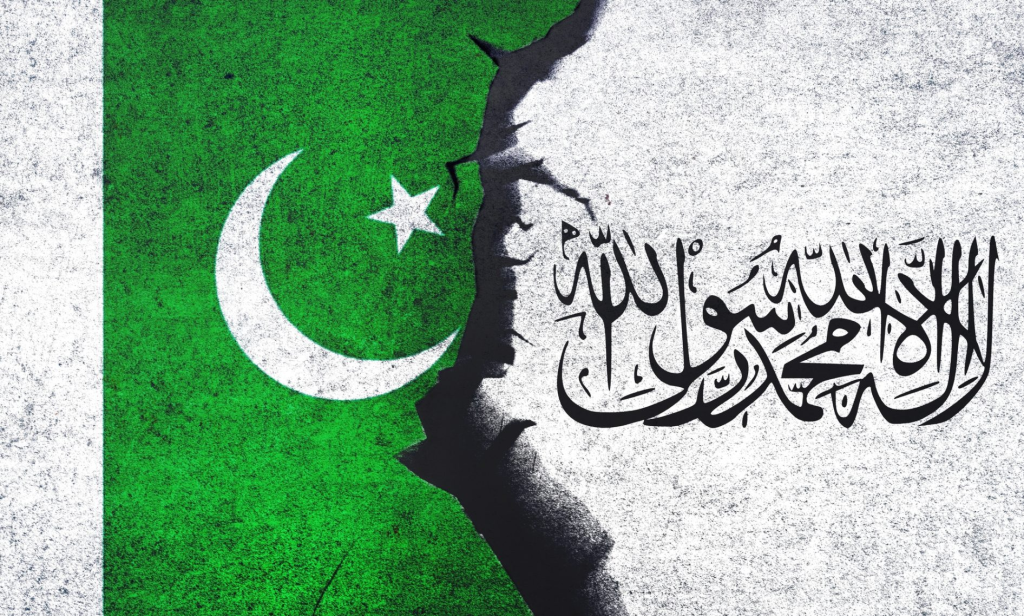
The paper notes despite repeated assurances from Kabul that Afghan soil would not be used against Pakistan, attacks attributed to Tehreek-e-Taliban Pakistan (TTP) ongoing. The latest example cited is a December 23 ambush in the Karak area that killed five Pakistani police officers, underscoring that the security situation has not improved.
This contradiction, Dawn writes, has become the core point of dispute between the two countries. Islamabad is seeking a written commitment from the Taliban to rein in the TTP, a demand Kabul has rejected. As a result, bilateral relations have deteriorated into border clashes, the closure of crossing points and heightened tensions. Since October 11, several key border crossings have remained closed following clashes.
Efforts by friendly countries to mediate have so far failed to break the deadlock. While the Taliban insist they are adhering to the Doha Agreement, UN reports and independent security assessments present a different picture, pointing to the presence of multiple armed groups in Afghanistan and the continued support for—or at least facilitation of—TTP activities from Afghan territory.
Dawn editorial also argues that Pakistan must adopt a more realistic approach and acknowledge the shortcomings of a policy based on episodic engagement or pressure only after major incidents. Escalating tensions, it warns, do not offer a sustainable solution and risk widening conflict, harming the livelihoods of border communities and intensifying public hostility on both sides of the frontier.
According to the editorial, if Sirajuddin Haqqani is genuinely seeking dialogue, Kabul must begin with concrete, verifiable steps. These include a written commitment to deny the TTP safe havens, the arrest or disarmament of identified commanders and their relocation away from the border, as well as the establishment of joint mechanisms to investigate border incidents and share security intelligence.
At the same time, the paper says Pakistan should keep diplomatic channels open, separate humanitarian and trade issues from security disputes as much as possible, and—with the help of mediators—pursue a process based on clear benchmarks and timelines.
The analysis concludes that regional security cannot be achieved through unilateral statements. Afghanistan’s leaders must demonstrate through practical, verifiable actions—acceptable to Pakistan and the international community—that they will prevent cross-border violence. Only then, Dawn argues, can there be hope for improved bilateral relations and regional stability.