Taliban, Pakistan Enter Tentative Rapprochement Amid Mutual Distrust
DID Press: Relations between the Taliban in Afghanistan and Pakistan have entered a cautious phase of rapprochement after years of border tensions and mutual accusations. Recent diplomatic gestures and mediation by Pakistani religious leaders have created opportunities for dialogue and a reduction in hostilities, though fundamental security disputes continue to limit trust.
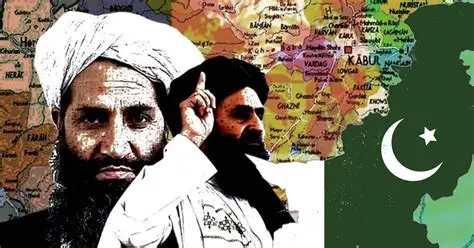
Taliban Interior Minister Sirajuddin Haqqani recently welcomed positive statements from Pakistani Foreign Minister Muhammad Ishaq Dar and clerics, urging cooperation on Afghanistan’s reconstruction. These remarks coincided with Foreign Minister Amir Khan Muttaqi’s outreach to religious authorities in Karachi, signaling both sides’ interest in de-escalating tensions.
Despite these gestures, trust remains fragile. Pakistan accuses the Taliban of supporting or tolerating Tehrik-i-Taliban Pakistan (TTP) activities launched from Afghan soil, which have caused significant casualties. Conversely, the Taliban criticize Pakistan for allegedly backing or allowing ISIS operations within Afghanistan, threatening domestic security and Taliban legitimacy. These mutual accusations undermine substantive progress, making diplomatic messages largely symbolic.
Religious mediation has played a notable role in easing tensions. Pakistani clerics, including Maulana Fazlur Rehman, emphasized that Afghan territory should not serve as a safe haven for armed groups, urging the Taliban to prevent hostile actions against Pakistan. The Taliban responded positively, expressing willingness to cooperate on reconstruction and avoid escalation.
Past multilateral negotiations in third countries such as Qatar, Turkey, and Saudi Arabia have yielded limited results. Failure to implement security commitments and the continued activity of armed groups have historically prevented the establishment of lasting trust.
Analysts view the current interactions as a structural shift in historical relations. Pakistan, once a principal supporter of the Taliban, now pursues a cautious, security-focused approach. Meanwhile, the Taliban, previously reliant on Pakistan’s formal backing, face reciprocal accusations and security pressures, prompting careful diplomatic engagement.
In conclusion, the situation represents a tentative rapprochement under the shadow of mutual distrust. While this approach may help prevent widespread violence, sustainable peace will depend on concrete security measures, restrictions on militant activity, and tangible cooperation to build mutual confidence.