Afghanistan Poised to Remain World’s Largest Humanitarian Crisis in 2026
DID Press: UN and its humanitarian partners warn that Afghanistan will remain one of the world’s largest and most complex humanitarian crises in 2026, as the country continues to experience severe food insecurity, climate-driven disasters, and the mass return of displaced people. To sustain urgent assistance for roughly 18 million people, the UN is appealing for USD 1.7 billion in funding.
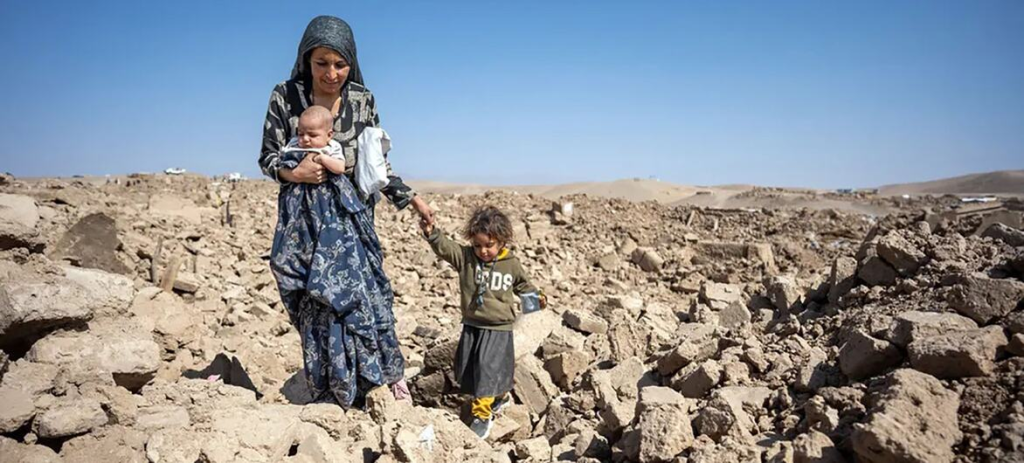
According to current assessments, an estimated 21.9 million people — about 45 percent of the population — will require humanitarian assistance next year. Of these, 17.5 million people, more than three-quarters of whom are women and children, have been prioritized under the coordinated humanitarian response plan.
Food security, water and sanitation have been identified as the most pressing needs. The Humanitarian Needs and Response Plan for Afghanistan projects that during the 2025–2026 lean season, more than one-third of the population will face crisis-level or worse food insecurity. In many cases, families are expected to survive only by selling or depleting their remaining livelihood assets, a deterioration compared with last year.
Persistent drought has destroyed up to 80 percent of rain-fed wheat fields in some regions, leaving many households without stocks for the winter. At the same time, public-health conditions remain fragile: 25 percent of families rely on unsafe water sources and 37 percent lack soap for basic hygiene. Aid efforts in 2026 will prioritize water, sanitation, and health services in communities affected by drought, cholera outbreaks, natural disasters, and large-scale returns.
Afghanistan is also facing one of the fastest-growing returnee crises in the world. Approximately five million people have returned to the country this year alone, including more than 2.6 million from Iran and Pakistan. Many of these returns have been driven by tighter migration policies and worsening protection conditions in host countries, intensifying pressure on already poor and drought-affected areas.
Despite shrinking resources, humanitarian agencies say they intend to reach more people with fewer funds in 2026. The USD 1.71 billion appeal represents a 29-percent decrease compared with 2025, yet aims to assist roughly four percent more people than last year. Planners attribute the change to sharper prioritization, greater efficiency, and a shift away from high-cost, short-term interventions.