Global Wealth Soars in 2026, but Inequality Hits Historic Peak
DID Press: The 2026 Global Inequality Report reveals that despite unprecedented growth in production and per capita income over the past two centuries, the distribution of these gains remains deeply unequal, with the majority of global wealth concentrated in the hands of a tiny elite.
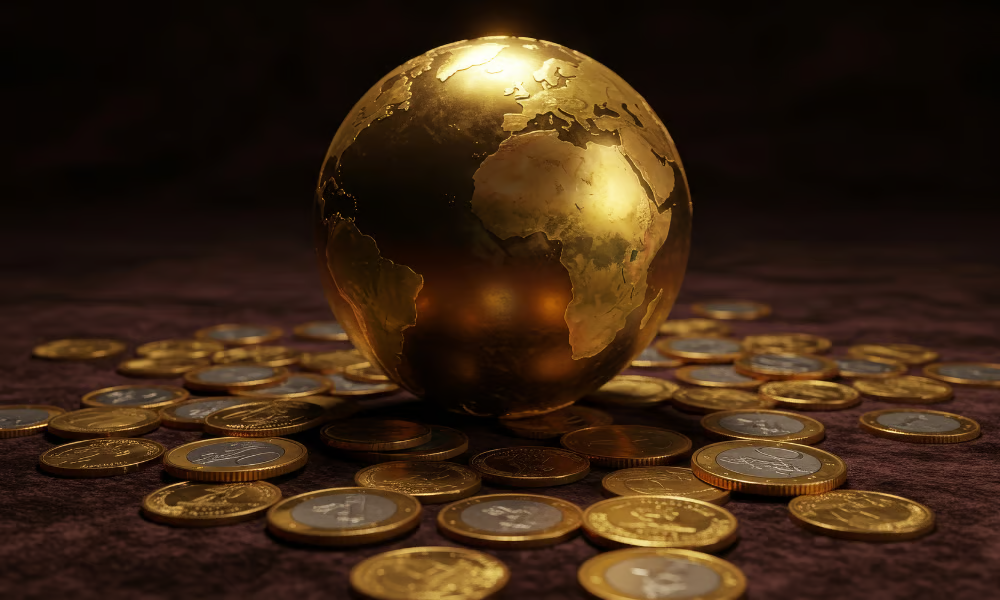
Published by the Global Inequality Laboratory, the report shows that while modern economic growth has significantly increased human productive capacity, these benefits are disproportionately captured by a small segment of the population.
Key findings:
The top 10% of the global population earn 53% of total income, while the bottom 50% receive only 8%.
The top 1% alone capture 20% of global income; the top 0.1% hold roughly as much as the combined income of the bottom half of humanity.
In terms of wealth, 75% is held by the top 10%, while the bottom 50% control just 2%.
The report highlights structural class disparities and notes that since the 1980s, the global middle class has faced stagnant incomes, while peripheral regions—sub-Saharan Africa, parts of Asia, and Latin America—continue to bear the brunt of resource extraction and cheap labor.
Experts stress that transparency and access to detailed data on income and wealth are essential to challenging the normalization of inequality. The report concludes that while the world is richer than ever, extreme concentration of wealth has created structural, self-reproducing inequality, raising fundamental questions about ownership, democratic control of production, and the global economic order.