Afghanistan’s Winter: Portrait of Hardship and Hope
DID Press: Afghanistan is not only a story of suffering. Even in the cold, there are signs of resilience: a neighbor sharing the last of their fuel, a family dividing its bread, and a child smiling despite worn-out shoes. These snapshots reveal another side of winter — one of endurance in a country accustomed to hardship but not yet defeated.
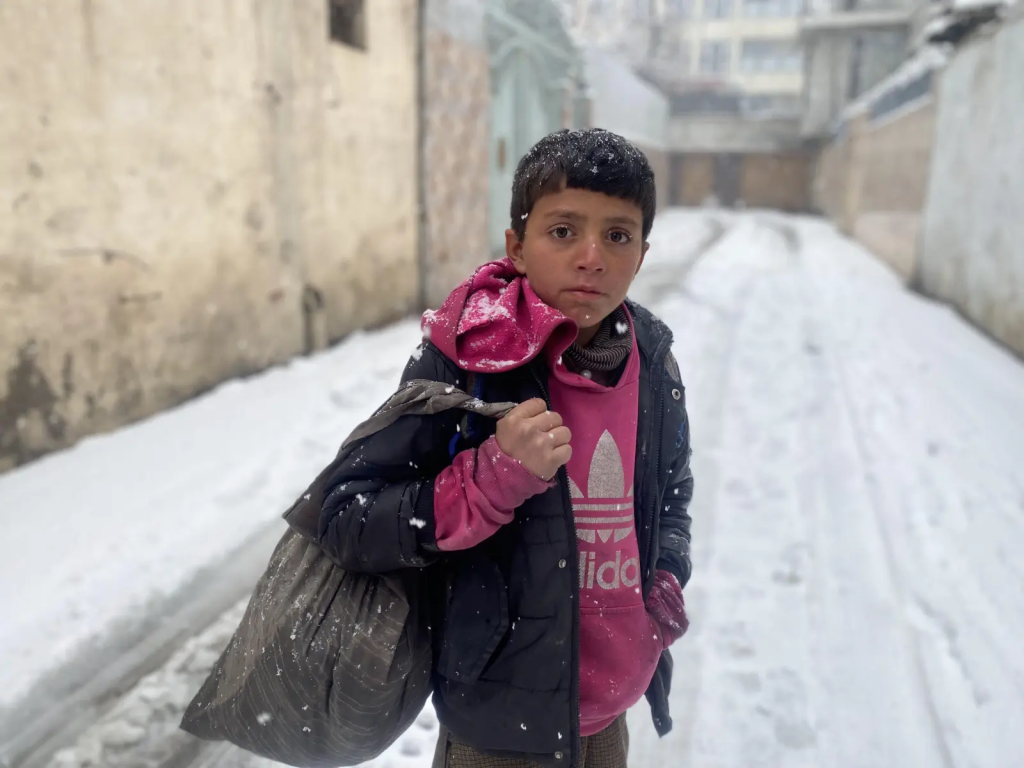
Fifteen days into the season, winter has already weighed heavily on communities across Afghanistan. For millions, it is not simply cold weather, but a daily struggle with poverty, unemployment, hunger, illness, displacement, and uncertainty — a season defined by survival.
In many provinces, nightfall comes early and cold air penetrates mud-brick homes with little heating or fuel. Families gather several children under a single blanket, hoping shared body warmth can replace a fire. For many Afghans, winter has become a test of human endurance.
Food insecurity remains severe. Tables are shrinking, and meals are fewer. In countless homes, dry bread and tea are the only provisions for the day. Mothers worry about their children’s future, while fathers return home empty-handed after searching for work. Hunger is quiet but relentless — especially for children.
Fuel shortages have created another impossible choice: stay warm or eat. The price of coal, gas, and firewood continues to rise. Some families sell household items or winter clothing; others simply endure the cold. For the poor, winter is not just discomfort — it is danger.
Health risks are compounding the crisis. Malnutrition, disease, and limited access to medical care are spreading. Blocked roads, medicine shortages, and reduced clinic operations mean that even minor illnesses can become life-threatening, particularly for children and the elderly.
Meanwhile, mass return of Afghan migrants from neighboring countries has intensified pressure on already-strained communities. Many returnees have arrived with no housing or jobs, often finding refuge in temporary camps or damaged buildings — at the coldest point of the year.
At the same time, a decline in humanitarian assistance has raised further alarm. Needs are rising while resources shrink, leaving many families removed from aid lists. Winter is not a season for shortfalls — it demands urgent action.
Yet hope persists. Acts of solidarity — shared fuel, divided bread, a child’s smile — reflect a society that refuses to surrender. Afghanistan’s winter is a sweeping canvas of suffering and hope: deep hardship, but a fragile resilience that endures.
Only two weeks have passed, and a long winter remains ahead. Without timely support — food, heat, healthcare, and collective compassion — this season could become one of the harshest in recent memory. But with help, it may also mark the beginning of renewed warmth for communities long left in the cold.
By Sayed Baqer Waezi — DID Press Agency