Uzbekistan Seeking Clarification Uzbek Language Removed From Samangan University Sign
DID Press: Following reports that the Uzbek language was removed from the signboard of Samangan University, Uzbekistan’s Foreign Ministry expressed concern over what it called the “suppression of the Uzbek language” in Afghanistan and requested an official explanation from the Taliban authorities. The Taliban have rejected the allegation.
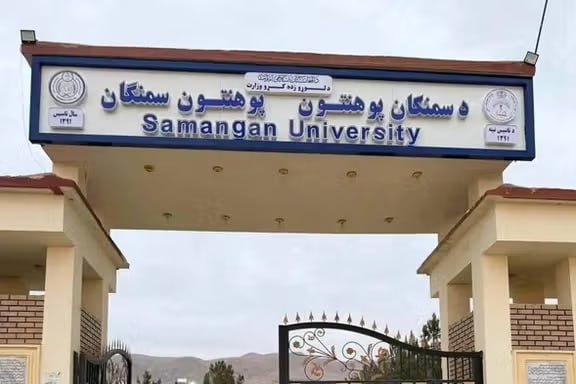
The Uzbek Foreign Ministry said it formally raised its concerns with the Taliban Foreign Ministry after public protests emerged over the reported removal of Uzbek from the university sign.
In a statement issued Tuesday, 16 Jadi, Tashkent underscored the international status of the Uzbek language and described its protection as a key priority of Uzbekistan’s foreign policy. The ministry said officials “immediately” contacted Taliban diplomats upon receiving reports of linguistic restrictions in Afghanistan.
Local sources earlier reported that Taliban officials removed both the Uzbek language and the Persian word “Daneshgah” (university) from the signboard of Samangan University. Critics described the move as part of restrictive language policies targeting Persian and Uzbek.
The reports triggered public backlash among speakers of these languages, who demanded that Persian and Uzbek be restored to the sign. According to local accounts, the change coincided with the appointment of a new university president.
Uzbekistan said the Taliban responded by reaffirming their “deep respect” for the Uzbek language. The Taliban Foreign Ministry also announced that, as a gesture of good neighborliness, a master’s program in Uzbek language and literature will be launched at Jowzjan State University.
According to the Uzbek statement, the Taliban have designated Pashto, Persian and English as the official languages for public signboards, but said Uzbek will appear on signs in northern regions with significant Uzbek-speaking populations.
This is not the first incident to provoke controversy. In November, Uzbek was removed from the signboard of Jowzjan University, prompting widespread protests that eventually forced the Taliban to reverse the decision.
In another episode, the Taliban demolished a statue of Alisher Navoi, the prominent Uzbek poet and thinker, in Mazar-e Sharif on 29 Asad. After diplomatic communication from Tashkent, Taliban officials in Balkh announced the memorial would be rebuilt.
Uzbekistan said the Taliban expressed regret over the demolition and pledged to construct a cultural complex in Navoi’s honor at the site.