US announcing withdrawal from dozens of int’l bodies in sweeping move
DID Press: US, acting on an order by President Donald Trump, has announced plans to withdraw from 66 international organizations, including the UN Human Rights Council—a move the administration describes as a defense of national interests but which critics say undermines the global order, multilateralism, and Washington’s role in international cooperation.
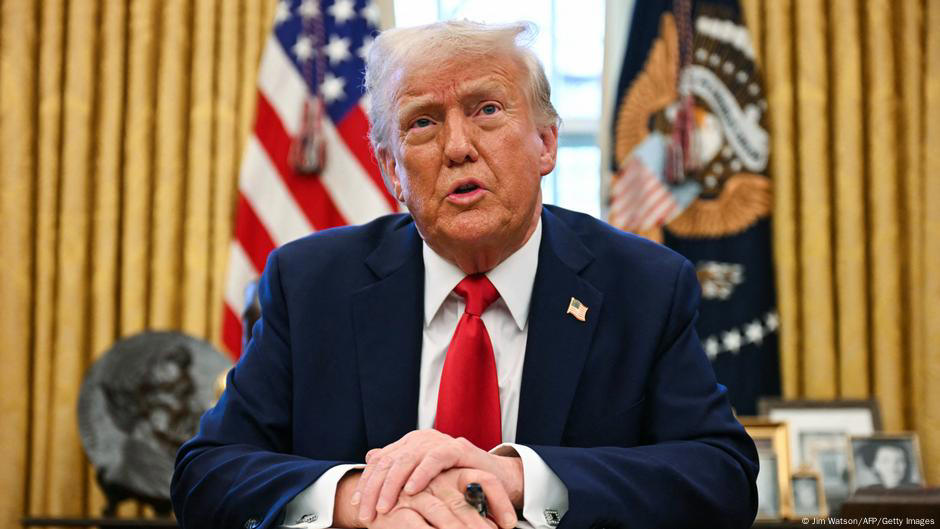
The US government said the decision follows Executive Order 14199 and a broad review of multilateral structures. The withdrawal will cover 66 organizations, including 35 independent bodies and 31 entities affiliated with the United Nations. The White House characterized the organizations as “costly, ineffective, or harmful,” arguing their activities are not aligned with US national interests.
Secretary of State Marco Rubio said many of the organizations suffer from overlapping mandates, mismanagement, waste of resources, influence by vested interests, and agendas at odds with US priorities. He said continued transfers of “American taxpayers’ money, energy, and political capital” to such institutions without tangible returns are unjustifiable.
Critics, however, view the move not as structural reform but as an ideological shift that could weaken the United States’ influence in shaping global policy. They argue that a simultaneous withdrawal from dozens of international bodies signals a clear disregard for the rules-based international order—an order the United States helped design after World War II.
In a White House statement, some international institutions were accused of promoting “extreme climate policies, global governance dominance, and ideological agendas.” Analysts say such characterizations reflect the Trump administration’s political view of multilateral institutions rather than technical assessments, noting that mechanisms capable of constraining unilateral US power are increasingly portrayed as threats.
The Trump administration has repeatedly criticized international organizations for regulating state behavior, calling them obstacles to US “decision-making independence.” Critics counter that the approach risks sidelining shared global rules in favor of a more unilateral foreign policy, potentially weakening international cooperation and the broader global order.