Taliban: Pakistan’s Injustices Root Cause of Baloch Conflict
DID Press: Taliban released a new statement asserting that the Baloch-Pakistan conflict stems from the injustices and oppression by the Pakistani government, and has no connection to Afghanistan or any external interference.
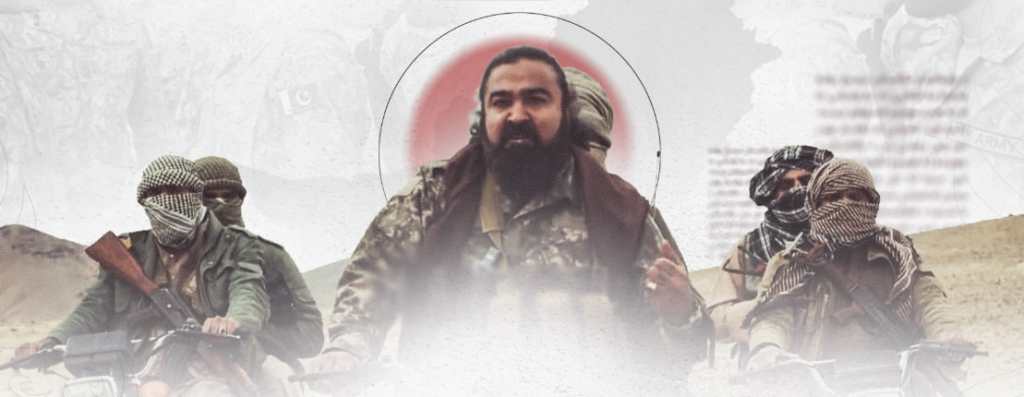
This comes in response to recent statements from Pakistani officials suggesting that the Baloch crisis is linked to Afghanistan. The Taliban-affiliated media outlet, Al-Mursad, vehemently rejected these claims, describing them as an attempt by Islamabad to deflect attention from its internal issues.
The statement emphasized that the Baloch resistance against Pakistan’s military regime is neither a new phenomenon nor one tied to external interference. Instead, it is a longstanding historical conflict dating back to the early days of Pakistan’s formation.
Taliban highlighted that the Baloch struggle originates from Balochistan itself and has been growing in the region for decades.
Al-Mursad statement pointed to the systematic oppression of the Baloch people by the Pakistani regime, underscoring that the conflict is rooted in discrimination and the denial of basic rights of Baloch people by Islamabad.
According to Afghan Taliban, Baloch resistance is a response to their lack of political and social rights in Pakistan, which has failed to meet their needs.
However, analysts note that the Taliban’s treatment of non-Pashtun ethnic groups in Afghanistan has also been a subject of concern among human rights and political organizations in recent years.
Reports from international organizations and Afghanistan civil groups suggest that the way the Taliban interacts with ethnic communities such as Tajiks, Hazaras, Uzbeks, and other non-Pashtun groups remains a significant challenge in the governance structure of the Taliban. These reports highlight issues such as administrative restrictions and the political and linguistic marginalization of non-Pashtun communities within the Taliban’s government.