Islamic Revolution of Iran: Symbol of Unyielding Resistance to Global Domination
DID Press: Islamic Republic of Iran emerged not only as a key supporter in the struggle against Israel and other hegemonic powers, but also as a force that has helped pressured countries such as Syria, Yemen, and Iraq resist global domination. This approach has positioned Iran as one of the leading figures of resistance movements at both the regional and global levels.
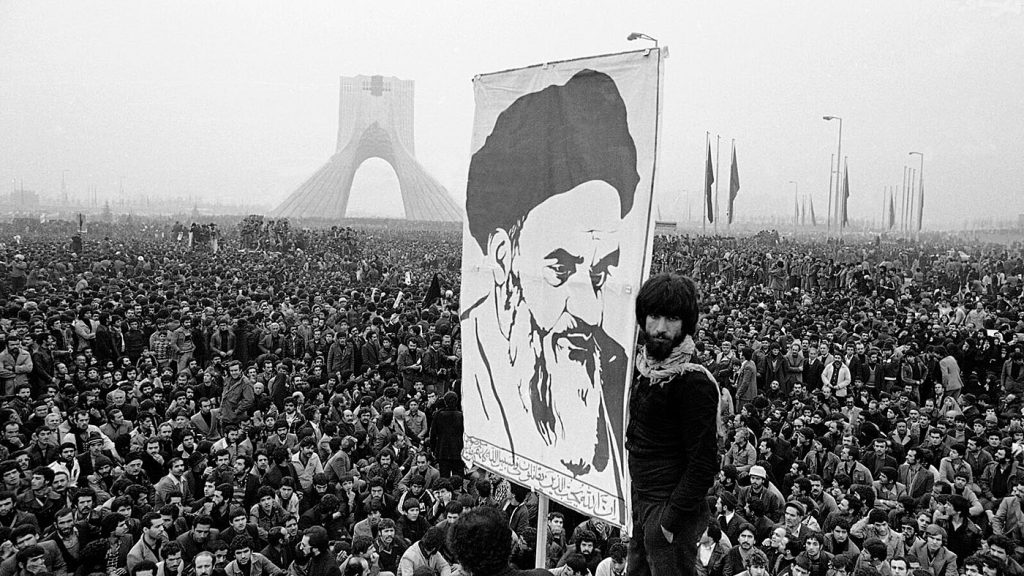
The 1979 Islamic Revolution of Iran was not merely a domestic regime change; it marked a turning point in contemporary world history. Led by Imam Ruhollah Khomeini, the revolution was founded on the core principles of independence and freedom. At its heart lay opposition to domination and global arrogance—not just as an objective, but as a strategic doctrine. Imam Khomeini and the revolution’s supporters believed Iran must free itself from the influence of foreign powers, particularly the United States and Western countries, and pursue genuine independence.
One of the most defining features of the Islamic Revolution was its firm stance against global domination. Imam Khomeini consistently condemned the expansionist ambitions of major powers and framed resistance to them as a pillar of the revolution. His early revolutionary slogans—most notably “Neither East nor West, the Islamic Republic”—clearly reflected opposition to both Western and Eastern colonial policies. Beyond rejecting the Western-backed monarchy in Iran, Imam Khomeini openly challenged Western imperialism, especially that of the United States, as well as actors such as Britain and Israel.
Imam Khomeini believed that global domination was one of the main obstacles to the progress and independence of nations. From this perspective, the establishment of an Islamic Republic in Iran was intended as a successful model of resistance—one capable of inspiring other nations to stand against hegemonic control.
From the Islamic Revolution to the Axis of Resistance
Following the victory of the Islamic Revolution, resistance to global domination became a consistent pillar of Iran’s foreign policy. The formation of what later came to be known as the “Axis of Resistance” represented the practical embodiment of this strategy. This axis—comprising groups such as Hezbollah in Lebanon, Hamas in Palestine, and other forces opposed to Israeli occupation and Western dominance—took shape in the early years after the revolution and steadily expanded over subsequent decades.
Iran’s role went beyond rhetorical support. By backing resistance movements and supporting countries under pressure—such as Syria, Yemen, and Iraq—Iran consolidated its position as a central actor in regional resistance and, increasingly, on the global stage.
Domestically, resistance to domination has also shaped Iran’s internal policies. Since the revolution, Iran has sought to free itself from Western economic and political influence. Key examples include confronting economic sanctions, prioritizing domestic industrial development and self-sufficiency, and strengthening strategic sectors—most notably nuclear energy.
On the international front, Iran has consistently pursued anti-hegemonic policies. The intensification of Western sanctions—particularly following the United States’ withdrawal from the nuclear deal (JCPOA)—has further reinforced Iran’s resistance-based approach. Despite mounting pressure, Iran has sought to mitigate external constraints through economic independence, deeper ties with non-Western countries, and the strengthening of the resistance front.
While Iran’s anti-domination strategy has achieved notable successes, it has not been without challenges. Critics, both domestic and international, have questioned aspects of Iran’s approach—especially in economic and diplomatic spheres.
Nevertheless, the Islamic Revolution of Iran remains a powerful symbol of sustained resistance to global domination. Its legacy extends beyond opposing domestic tyranny and corruption prior to 1979; it represents a broader confrontation with the dominance of major world powers. Anti-imperialism continues to function as a core principle of Iran’s domestic and foreign policy, with lasting influence—particularly in the Middle East.
Ultimately, this struggle for independence, dignity, and resistance to colonial and hegemonic policies has evolved from a national stance into a broader movement—one that continues to inspire other nations seeking to challenge domination and assert their sovereignty.