Muscat Talks and Recalibration of Power in Iran–US Nuclear Diplomacy
DID Press: Nuclear negotiations between Iran and US in Muscat present a multilayered image of a complex diplomatic confrontation. Muscat, calm on the surface yet strategically resonant, has once again become a venue for difficult talks—negotiations that may appear focused on Iran’s nuclear file, but in essence reflect a deeper strategic contest between two opposing worldviews.
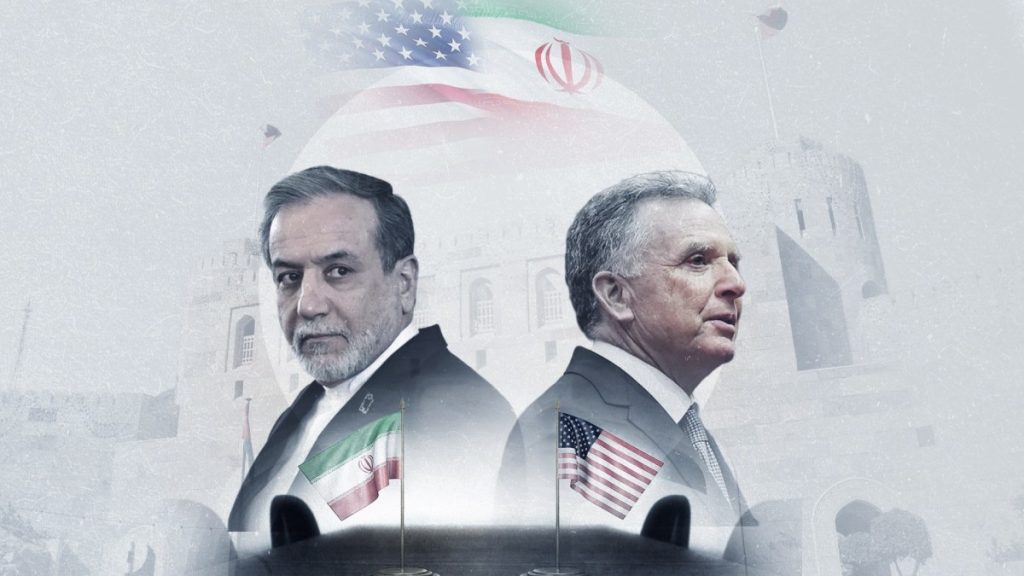
The Context Behind the Muscat Talks
The current negotiations cannot be understood in isolation from broader regional and international developments. After years of pursuing a “maximum pressure” policy and failing to force Iran into strategic retreat, the United States now faces a new reality. Tehran has not only endured sustained pressure but has also consolidated its regional and international standing. Relying on domestic capabilities, nuclear advancement, and a network of strategic partnerships, Iran enters the talks from a position of increased confidence and leverage.
From Confrontation to Rule-Making
At this stage, the negotiations are less about the legitimacy of Iran’s nuclear program and more about defining the rules for managing disputes. Having effectively passed the phase of bargaining over its right to enrichment, Iran is now positioned to negotiate on the terms of engagement: the nature of cooperation with the IAEA, the framework for sanctions relief, and guarantees against a repeat of unilateral U.S. withdrawal from any future agreement.
From Tehran’s perspective, the core objectives are clear: formal recognition of its right to nuclear development, tangible and verifiable sanctions relief, and credible guarantees that past experiences—particularly Washington’s withdrawal from the JCPOA—will not be repeated.
A U.S. Strategy of Crisis Management
On the other side, Washington seeks to manage the situation without explicitly acknowledging the failure of its previous policies. The U.S. approach aims to prevent escalation while presenting the negotiations domestically as a form of “containment” of Iran, rather than a concession.
Negotiating Tactics
Iran enters the Muscat talks with the benefit of two decades of diplomatic and strategic experience. Conscious of the risks of haste, Tehran emphasizes strategic patience, avoids preemptive concessions, and insists that every step be tied to reciprocal and verifiable actions.
Conversely, the United States appears inclined toward incremental or interim arrangements—limited agreements that may reduce tensions but fall short of structurally lifting sanctions. Iran remains skeptical of such proposals, viewing temporary deals as fragile mechanisms that could later be used as instruments of renewed pressure.
The Role of Regional Dynamics
Regional developments—from the war in Gaza to shifting power alignments in the Persian Gulf—cast a long shadow over the negotiations. Iran has emerged as an indispensable regional actor, one without whose participation no major regional equation can be resolved. This reality strengthens Tehran’s negotiating position and compels Washington toward a more pragmatic approach.
At the same time, Iran is careful to compartmentalize the nuclear talks, seeking to prevent regional issues from being leveraged into additional bargaining tools or sources of pressure.
Outlook
The trajectory of the Muscat negotiations should be viewed as gradual and multi-phased. Neither side is in a position to impose its will: Iran is under no urgency to reach an agreement, and the United States lacks the capacity to dictate unilateral terms. The most plausible outcome is a form of minimal understanding—one that manages tensions while leaving space for broader negotiations in the future.
Success will depend on several key factors: U.S. adherence to any commitments it undertakes, restraint from domestic political pressures in Washington, Iran’s continued emphasis on dignity and power-based diplomacy, and Oman’s sustained role as a credible mediator.
Conclusion
The Muscat talks should not be seen as an endpoint, but as a phase within a longer process. Iran, drawing on national strength and diplomatic experience, seeks to institutionalize its rights while resisting excessive demands. Though complex and time-consuming, these negotiations may lay the groundwork for a new set of rules governing Iran–U.S. relations—rules in which mutual respect and acceptance of geopolitical realities replace coercion and threat.
International Desk – DID News Agency